If this is your first visit, be sure to
check out the FAQ by clicking the
link above. You may have to register
before you can post: click the register link above to proceed. To start viewing messages,
select the forum that you want to visit from the selection below.
Very nice images. Would be nice to own some property there one day. Food is probably great too.
Manana wrora,
I appreciate your kind words, at least certain real Pashtuns (unlike Arabs with some Pashtun blood on this forum) know what melmastia is.
A couple of points.
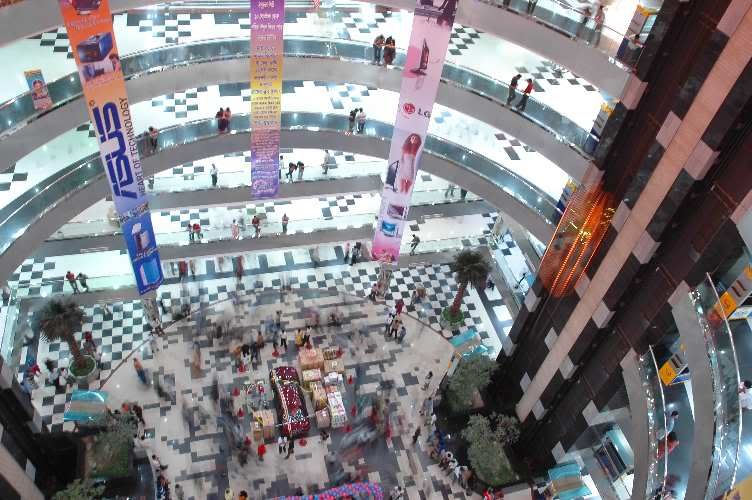
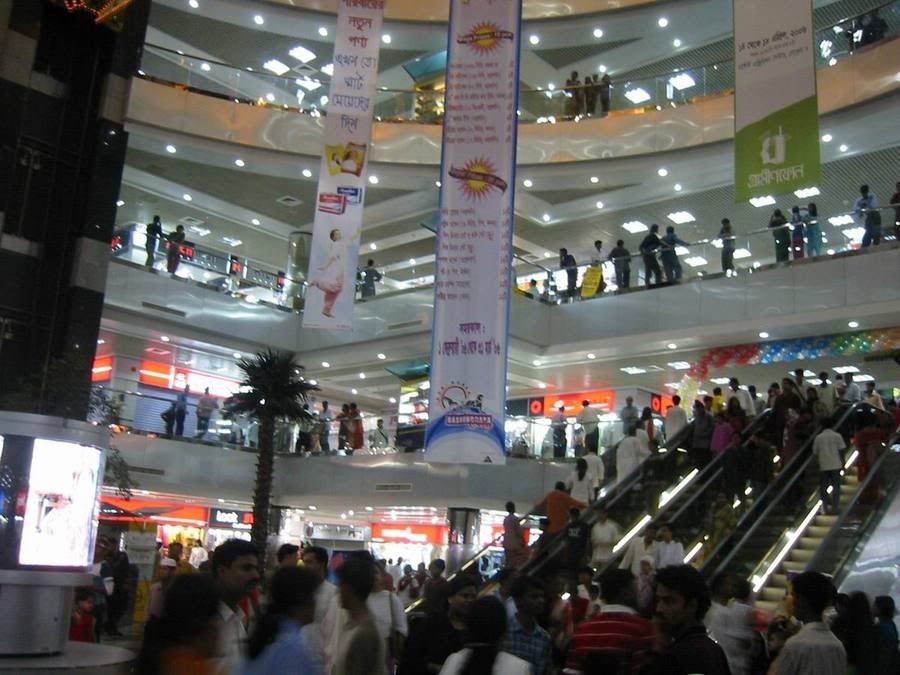
1. Bangladesh is a poor country. It has a lot of problems.
However I am trying to show the good things about my country just as I show the positive side of Afghanistan. Both countries have an image problem, people associate Bangladesh exclusively with poverty and Afghanistan with war.
Both countries are much more than that and there are people who actually live quite happily there.
The purpose of this thread is to show the good side (in addition to the well known bad sides) of Bangladesh. I know you know this perfectly and excuse me if this comes across as a condescending rant, it's also targeted to the over 1,000 silent readers of this forum.
2. I also like to promote the positive side of Muslim countries not just Bangladesh or Afghanistan.
3. I am not an expert on Dhaka life or Bangladesh as I haven't been there for more than several years but this is what I know.
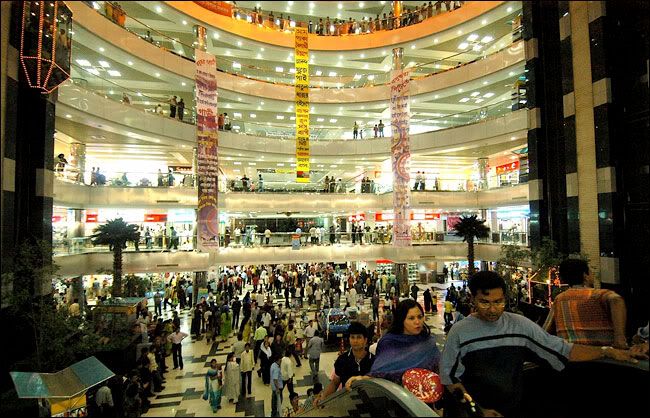
a: Dhaka is surprisingly quite modern and has far more skyscrapers than any city in Pakistan. This is not a "boast", it may be Pakistan is a far bigger country so they can build wider, whereas we have to build higher.
b: The traffic is appalling...lol!
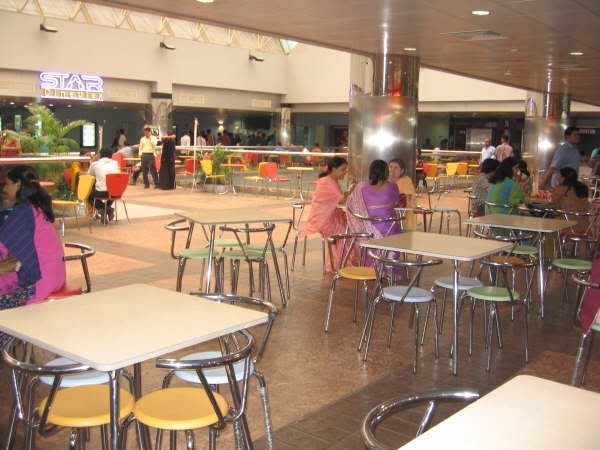
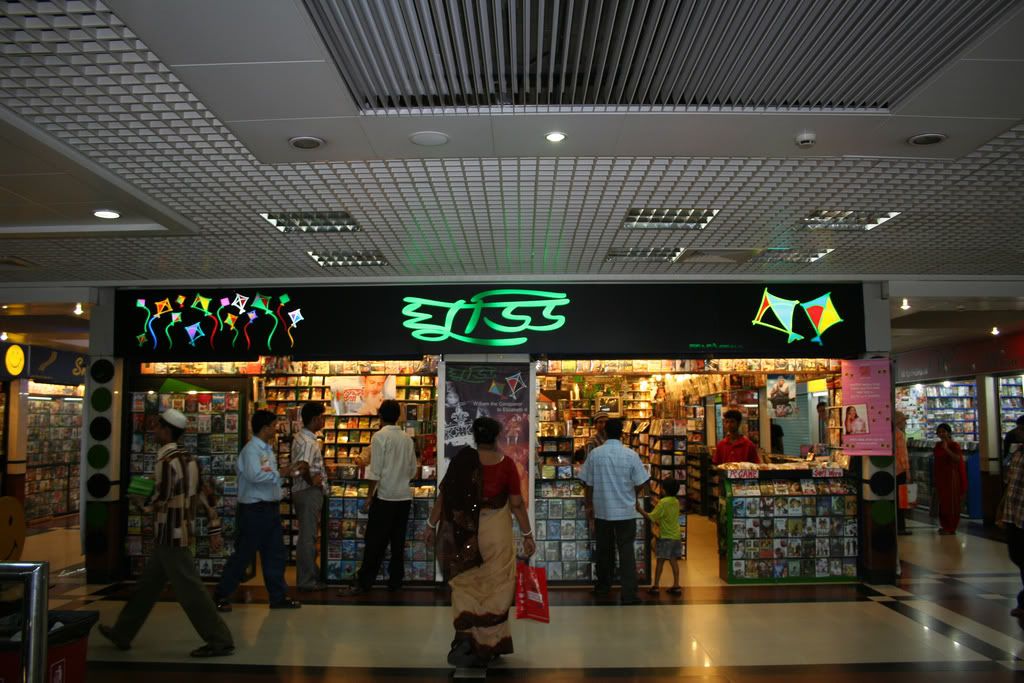
c: The food is good, though I never went to any of the fancier middle class restaurants, which I can post pictures of later.
d: The people are extremely friendly.
To be honest Bengalis are quiet people, almost to the point of being somewhat meek and timid. Some Pakistanis here worry about negative treatment there, no one has a problem with Pakistanis and they'll be treated well i.e. the point being (you as an Afghan) is Bengalis are friendly, relaxed people.
e: There are western ex-pats that live in Dhaka, however to be brutally honest having been to Malaysia a relatively short time ago, Kuala Lumpur is probably a better place to have some properties, but Bangladesh is definitely worth a visit especially the south, Chittagong, Cox's bazar etc.
A lot of other things I could say but that's all for now.
P.S. I will try to reply to the two Taliban-related threads later.
* * * * * * * * * * * * * * * * * * * * * * *
Shukran ya Masr!!!
Thanks to Egypt for supporting Bangladesh against Pakistani harassment and support for terrorists and war criminals!!
Sorry there is something I want to speak to you about, maybe you can help me. It's nothing about this thread or any of our recent discussions (I'll try to reply to your posts on the Taliban-related threads soon, haven't even read them yet).
Is it ok if I PM you?
I'd prefer to ask first and then do it rather than just message you out of the blue. I've discussed the same thing with [MENTION=5723]Kushan Prince[/MENTION] , would like your input please.
Manana.
* * * * * * * * * * * * * * * * * * * * * * *
Shukran ya Masr!!!
Thanks to Egypt for supporting Bangladesh against Pakistani harassment and support for terrorists and war criminals!!
By the way this thread is about Bangladesh and Bengal (West Bengal in India).
Here's a recent article about Pashtuns in West Bengal i.e. Kolkata, the state capital.
The Kabuliwala of Kolkata: Photo exhibition about a community longing for Afghanistan that once was home
Author: Nazes Afroz
Date: 22 March 2015
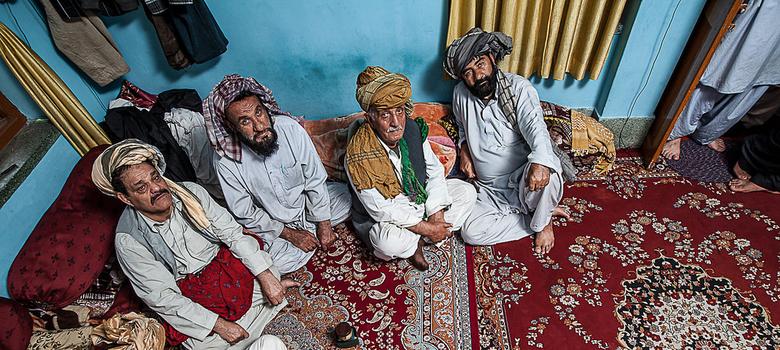
Kabuliwala. Two members of the community. These two live in Kolkata for nearly 60 years. Photo: Nazes Afroz and Moska Najib
In the suburbs of Kolkata, India, lives, secludedly, a little known community of migrants who once came from Afghanistan – the first of them around the year of 1840. Kabuliwala they are called, and the today 5000 people have managed to preserve the way of life they brought from Paktia, Paktika and Ghazni. Inspired by Indian historic literature about the community, Moska Najib and Nazes Afroz, two journalists and photographers, searched for and found the Kabuliwala of Kolkata and documented their lives in photographs over the course of two years. Their work (supported by Goethe Institute) can now – and until 1 April – be seen in an exhibition in the Afghanistan Center at Kabul University (ACKU). On Wednesday, 25 March, Nazes Afroz will official open it with a lecture and a discussion from 2 to 4 pm. For AAN, he summarises what he and Moska Najib found out about the Kabuliwala and some of their very personal encounters.
It was a day in October 2012, and we had taken the local commuter train to go to Titagarh in the suburbs of Kolkata. It was supposed to be our first visit in a community local Indians had once known as the Kabuliwala. Our main contacts with the community, Amir Khan and another ‘Khan’, were waiting for us at a teashop just outside the station. Tea was offered to us – we tried to pay, but in true Afghan fashion Amir Khan brushed aside our attempt.
We then rode along on their motorcycles to a “Khan Kothi” – a local name for residences of Kabuliwala. A group of elderly Kabuliwalas had already gathered to meet us. As we entered the living room, we experienced a slice of Afghanistan. The red carpet, the reclining sitting arrangements on the floor along the walls, the flask of tea, and the presence of a few aged bearded men in typical Afghan attires and loose turbans – every element of an Afghan setting was there in that room in the northern suburbs of Kolkata. Much later I realised that it was a jirga for which they had assembled to discuss and decide if they wanted to participate in the photographic project about their community that we had proposed.
Our first meeting ended with an Afghan style meal of bread, rice, meat and yogurt, everyone eating from the same platter. They had accepted us.
A famous short story
The first time, I had heard about the Kabuliwala was as a child. The Bengali writer, poet, philosopher, educationist and Asia’s first Nobel laureate in literature, Rabindranath Tagore, had published a short story called Kabuliwala in 1892. As a Bengali, I grew up with Tagore’s writings, and Kabuliwala was a must read for any child. It still is. The story revolves around the friendship between the five year-old daughter of a Bengali writer, Mini, and a middle-aged Afghan, Rahmat, who used to visit the house to sell dry fruits. Rahmat was a Kabuliwala. The story of this friendship has transcended time and cultures and was translated into dozens of foreign languages including Farsi. It was also made into two hugely successful films both called “Kabuliwala” – one in Bengali and one in Hindi, in 1959 and 1961 respectively.
Through this story, Tagore introduced the Afghan community in Kolkata to the Bengalis and subsequently to other Indians. They now vaguely understood the geography of Afghanistan and also created an image of the Afghan people. In the eyes of many Indians, they were all like Rahmat. The story made them feel close to Afghans, and they still look at them with a lot of sympathy. Tagore must have had many encounters with the community, otherwise a story like Kabuliwala would not have been possible. There will be hardly any reader who will not feel a lump in the throat finishing the story.
Piecing together history
After the first meeting and meal together, I went back to the community many times, learning more about their lives. Every time I entered their homes, I felt how they had created a little Afghanistan not only in their living rooms but also in their mind space – although many of them were born in Kolkata.
There is no written documentation of the community, no research has been done on the Kabuliwala of Kolkata. They themselves did not keep any documents either. The only written reference is the story of Tagore. By piecing together from what they told me, and by reading some history, this is what I have been able to conclude.
Even though they are called Kabuliwala (here, the suffix ‘wala’ indicates the origin of a person from Kabul) many of the men in the settlement never even set foot in Kabul. They, all Pashto speakers, were mostly hailing from two provinces from the south of Afghanistan – Paktia and Paktika. A few had come from Ghazni (or their ancestors had).
The community possibly started arriving in Kolkata from the middle of the 19th century. This also fits with the first Anglo-Afghan war happening from 1839. As Kolkata was the headquarters of the British Indian Army, it is quite likely that some Afghans from the south of the country, along with the army (the military campaign went not via the eastern Jalalabad route, but the southern route) made their way to Kolkata in search of livelihood. Kolkata, at the time, was the biggest and the most thriving city of British India, so the Kabuliwala found opportunities of doing business there. They brought local produce – mainly dry fruit and hing (asafoetida, dried latex exuded from an herbal plant native to Afghan mountains) to sell them to middle class Bengali homes.
Kabuliwalas hawking their merchandise in the residential quarters of Kolkata and other small towns nearby became a familiar sight for the Bengalis through most of the 20th century. This is also how the community started to feature in Bengali literature, particularly after the publication of Tagore’s Kabuliwala. By then, the Kabuliwala also started lending money, with a government license or without.
The formation of Pakistan in 1947 had an impact on their regular visits to their homeland as they used the land route through the North West Frontier Province. Many of the older men we met had come to Kolkata around that time, as young boys with their fathers and uncles, and could never go back to their villages because their travel route was now severed by two international borders and they did not have any travel documents. So they made Kolkata their home, took Indian wives and had families with them. As they would be in Afghanistan, the wives are rarely seen outside the home, though.
We also found another lot of Kabuliwala who made it to Kolkata through their family connections during the years of the civil war starting from 1979. Afghan relatives of the Kabuliwala visit Kolkata up until today in search of work or medical treatment. This younger lot uses the air route to Delhi from Kabul and then travels by train to Kolkata.
Meanwhile, the breakdown of the large family structures among the Bengali middle class into smaller families from the 1970s onwards and changes in their consumption patterns also meant that the demands for Afghan dry fruits, hing and other merchandise that the Kabuliwalas used to bring to their doorsteps reduced to a great extent. Fewer and fewer Kabuliwala were seen visiting residential areas in their traditional dresses.
Still speaking Pashto, still dancing the attan
When we stared our research in 2012, we were unsure if we would find any Kabuliwalas in the city. To our great surprise, we found almost 5000 of them. Many of them are still involved in the money lending business but also other professions.
For the next two years, during our visits for photo shoots, I realized how this community is still pining for its homeland. This is evident in the way they live, they eat, they dress. They still celebrate dancing the attan, they still speak Pashto among themselves. We also understood how this little, secluded community had been able to create a sense of belonging with the city through marriage and by making friends in Kolkata. Through our photography, we have tried to capture all this: their distinctiveness, their longing and memories of their homeland, and the sense of new belonging.
In the suburbs of Kolkata, India, lives, in seclusion, a little known community of migrants who once came from Afghanistan – the first of them around the year of 1840. Kabuliwala they are called, and the today 5000 people have managed to preserve the way of life they brought from Paktia, Paktika and Ghazni. Inspired […]
[MENTION=17802]mixxedpashtana[/MENTION] Daim, you Paktiwals sure do get around, Afghanistan, Holland, India.....lol.
* * * * * * * * * * * * * * * * * * * * * * *
Shukran ya Masr!!!
Thanks to Egypt for supporting Bangladesh against Pakistani harassment and support for terrorists and war criminals!!
From about 10,000 Afghans in Kolkata in 2001, there aren’t more than 2,000 in the city today. Here they celebrate Eid at the Maidan...
Zaffar promised never to return to Afghanistan, although he found Kabul a more vibrant city than Kolkata. “The city life in Kabul was good, in fact it was better than in Kolkata,” he says. “Not many know about the liberal side of Kabul.” In contrast, Paktika was a serene, hilly landscape by daytime and a war zone after dark, with gunshots and explosions all around, where a midnight knock by gun-wielding men enquiring about strangers in the house was a dreaded reality.
From about 10,000 Afghans in Kolkata in 2001, there aren’t more than 2,000 today. There are around 15 Afghan Kothis, or Afghan tenements, still left in Kolkata, but every year the number of occupants is decreasing. Akbar Khan says that in the last five years, the number of his roommates has gone from 15 to six.
Sorry there is something I want to speak to you about, maybe you can help me. It's nothing about this thread or any of our recent discussions (I'll try to reply to your posts on the Taliban-related threads soon, haven't even read them yet).
Is it ok if I PM you?
I'd prefer to ask first and then do it rather than just message you out of the blue. I've discussed the same thing with @Kushan Prince , would like your input please.
Manana.
Anytime man.
"2 crackheads don't become any better or stronger by sharing the same crack pipe." - Greatest PF quote
 Tweet
Tweet













Comment