Announcement

Collapse
No announcement yet.

Takht-i-Bahi

Collapse
X
 
  • Filter
  • Time
  • Show
Clear All
new posts

  • Takht-i-Bahi

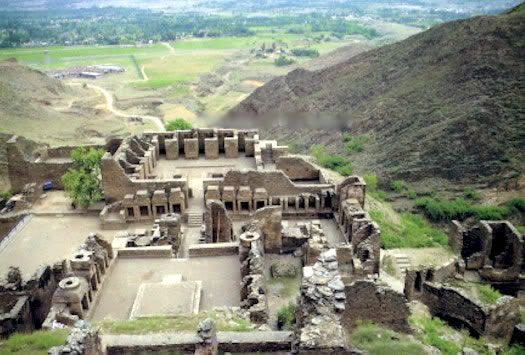
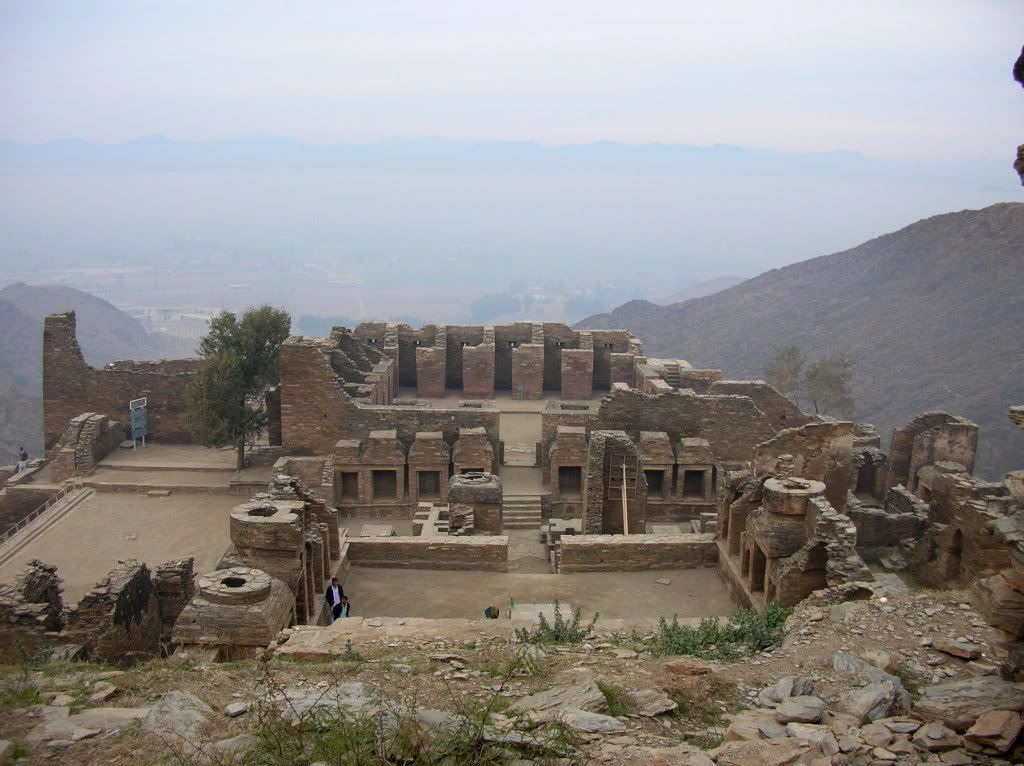
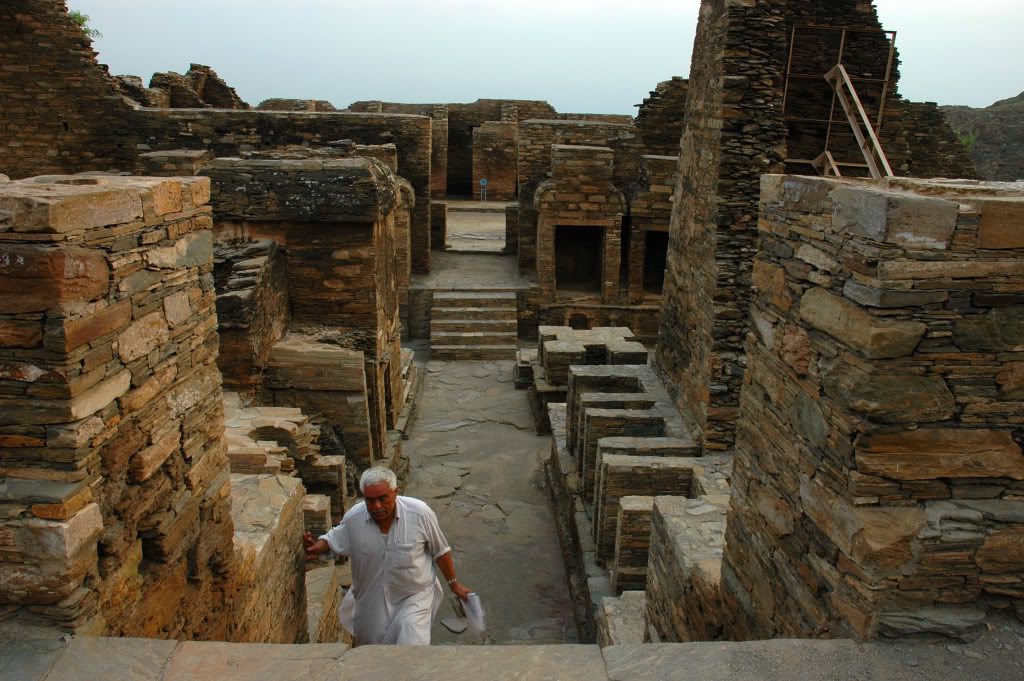
    Takht Bhai (or Takht Bahi) is a Buddhist monastic complex dating to the 1st century BCE. The complex is regarded by archaeologists as being particularly representative of the architecture of Buddhist monastic centers from its era. It was listed as a UNESCO World Heritage Site in 1980.
    The word Takht Bhai may have different explanations. In Sanskrit, takht means "well" and bhai means "on a high surface", so the whole word means "well on a high surface". In Persian, takht means "throne". The ruins are located about 15 kilometers from Mardan in Pakistan's Khyber-Pakhtunkhwa A small fortified city, dating from the same era, sits nearby The ruins also sit near a modern village known by the same name.The surrounding area is famous for sugar cane cultivation.




    History


    The monastic complex likely was founded in the early 1st Century BCE Despite numerous invasions into the area, Takht Bhai's hilltop location seems to have protected it from destruction, unlike many comparable early Buddhist monastic complexes. The complex was occupied continuously until the modern era, when charitable funding for the site ended.
    Archaeologists have divided the history of the complex at Takht Bhai into four periods, beginning in the 1st Century BCE. This first era continued until the 2nd Century CE, and is associated with the Kushan king Kanishka, as well as early Parthian and later Kushana king. The second construction period, which included the creation of the Stupa Court and assembly hall, took place during the 3rd and 4th Centuries CE. A third construction period, associated with the later Kushan dynasty and the Kidara Kushana rulers, occurred during the 4th and 5th centuries. The final construction period, which saw the creation of the so-called Tantric complex, took place in the 6th and 7th Centuries CE, and was overseen by invading Hun rulers.
    The first modern historical reference to these ruins was made in 1836 by the French Officer, the Buddhist remains are in a village named Mazdoorabad.Explorations and excavations on this site began in 1864. The site underwent a major restoration in the 1920s.
    Last edited by Karachi; 03-05-2012, 08:24 PM.

  • #2
    Originally posted by Karachi View Post
    Takht Bhai (or Takht Bahi) is a Buddhist monastic complex dating to the 1st century BCE. The complex is regarded by archaeologists as being particularly representative of the architecture of Buddhist monastic centers from its era. It was listed as a UNESCO World Heritage Site in 1980.
    The word Takht Bhai may have different explanations. In Sanskrit, takht means "well" and bhai means "on a high surface", so the whole word means "well on a high surface". In Persian, takht means "throne". The ruins are located about 15 kilometers from Mardan in Pakistan's Khyber-Pakhtunkhwa A small fortified city, dating from the same era, sits nearby The ruins also sit near a modern village known by the same name.The surrounding area is famous for sugar cane cultivation.


    History


    The monastic complex likely was founded in the early 1st Century BCE Despite numerous invasions into the area, Takht Bhai's hilltop location seems to have protected it from destruction, unlike many comparable early Buddhist monastic complexes. The complex was occupied continuously until the modern era, when charitable funding for the site ended.
    Archaeologists have divided the history of the complex at Takht Bhai into four periods, beginning in the 1st Century BCE. This first era continued until the 2nd Century CE, and is associated with the Kushan king Kanishka, as well as early Parthian and later Kushana king. The second construction period, which included the creation of the Stupa Court and assembly hall, took place during the 3rd and 4th Centuries CE. A third construction period, associated with the later Kushan dynasty and the Kidara Kushana rulers, occurred during the 4th and 5th centuries. The final construction period, which saw the creation of the so-called Tantric complex, took place in the 6th and 7th Centuries CE, and was overseen by invading Hun rulers.
    The first modern historical reference to these ruins was made in 1836 by the French Officer, the Buddhist remains are in a village named Mazdoorabad.Explorations and excavations on this site began in 1864. The site underwent a major restoration in the 1920s.
    I have researched this for one of the chapters in my book but in the end I went with the Butkara/Gulkada ruins.

    I was only recently discussing this on another thread in another forum. In fact I was discussing Budhist stupa's, places of worship, artefacts and cities.
    I am the author of Badal, an upcoming fiction novel on the War on Terror. For more information about me visit [URL="http://www.havisultan.com"]www.havisultan.com[/URL]

    Follow me on twitter:
    [url]https://twitter.com/#!/HaviZSultan[/url]

    Comment


    • #3
      Look at that statue nothing happening whith them but thos Talib monkeys have blowed up the Bamiyan statue, PFFFFFF how more I see budhist places in Pakistan how angry I get at Taliban and there monkey suporters from Pkaistan. OMG I so ****ing hate that country Pakistan and all the peopel who suport them, death to taliban and there monkey brainless suporters.

      Comment


      • #4
        Its amazing how complex these structures are considering when they were built. The scenery is beautiful as well.

        I hope these places are kept safe from religious nutcases and our enemies.

        Comment


        • #5
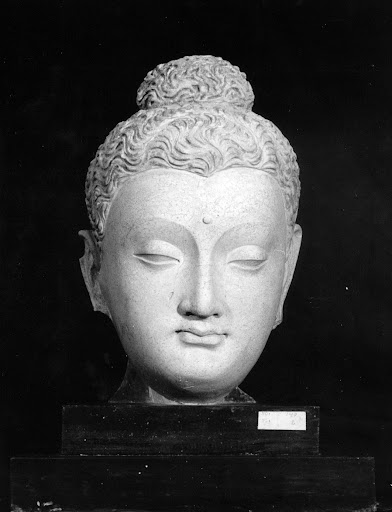
          Karachi, does the picture 8th come from Takht Bhai site? Do you have any data saying when the statue was made? I think it's after 4-5 CE or so. This statue differs from most statues of Buddha images of Gandharan art.
          دلته دم او قدم دواړه په حساب دي - پل په لاره غلط مه ږده بې حسابه

          Comment


          • #6
            This thread should serve as a good example to Ghundal and others who say pashtuns were bani isreal. lol

            and to those who say pashtuns have always been backward and cultureless. At those times most Germans and other Europeans were living in jungles while our ancestors were built such pieces of Art.

            We shall rise again inshallah

            Comment


            • #7
              sorry for the delay yasmeenah, I believe that statue is from Takht Bhai but pic is taken in Peshawar museum, at least that whats the website said where I got it from, I am not really sure of the era but it defiantly looks Gandharan
              Last edited by Karachi; 03-07-2012, 06:23 PM.

              Comment


              • #8
                Karachi, thank you. Could you give me the website you found that Buddha? Or maybe you know the name of this statue? I want to find out when it was made.

                You are right, nimbus without ornaments shows that it is the Buddha rather from Gandhara than from Mathura. But there are many other details that rarely appear in typical representations of the Gandharan Buddha. I mean necklaces, including the one with a Greek key pattern, bracelets on the arms, another ushnisha (the way of binding the hair on top of the head), etc..
                دلته دم او قدم دواړه په حساب دي - پل په لاره غلط مه ږده بې حسابه

                Comment


                • #9
                  It is very beautiful
                  Buddhism is a very wonderful religion

                  It proves that pashtuns were mainly buddhists before islam
                  .

                  Comment


                  • #10
                    The word Takht Bhai may have different explanations. In Sanskrit, takht means "well" and bhai means "on a high surface", so the whole word means "well on a high surface". In Persian, takht means "throne".
                    Why mention what it translates too, from the Persian language? They had nothing to do with it. Its more important what it translates into from pukhto language for it is history of our people. Anyway it translates same as the persian language. it means throne in pukhto.

                    Comment


                    • #11
                      Originally posted by Bharati View Post
                      It is very beautiful
                      Buddhism is a very wonderful religion

                      It proves that pashtuns were mainly buddhists before islam
                      We belonged to a monotheistic religion before Buddhism even sprang up but yes some of our ancestors were obviously Buddhist.

                      The Kushans 2000 years ago practised monotheism but allowed other religions full liberty to practice and spread. This is when Buddhism first started to flourish and was even exported to china.

                      To be a muslim means to submit ones will to one god (Allah). so therefore we were muslims even prior to the religion of islam.

                      Comment


                      • #12
                        I think even in urdu it means Thorn, but not sure what it meant to people who built it. what language did they speak?

                        Comment


                        • #13
                          Originally posted by Karachi View Post


                          Do you know what happend to the heads,can you imagine ?
                          High achievement always takes place in the framework of high expectation.

                          Comment


                          • #14
                            Originally posted by Karachi View Post
                            I think even in urdu it means Thorn, but not sure what it meant to people who built it. what language did they speak?
                            Yes but urdu is a modern phenomena that was established at the time of the mughals and therefore irrelevant.

                            Comment


                            • #15
                              Do you know what happend to the heads,can you imagine ?
                              Some monkeys broke it, as usual
                              .

                              Comment

                              Working...
                              X