Announcement

Collapse
No announcement yet.

The Jezail, Aghanistan’s Indigenous Sniper Rifle

Collapse
X
 
  • Filter
  • Time
  • Show
Clear All
new posts

  • The Jezail, Aghanistan’s Indigenous Sniper Rifle

    The Jezail, Aghanistan’s Homemade Sniper Rifle
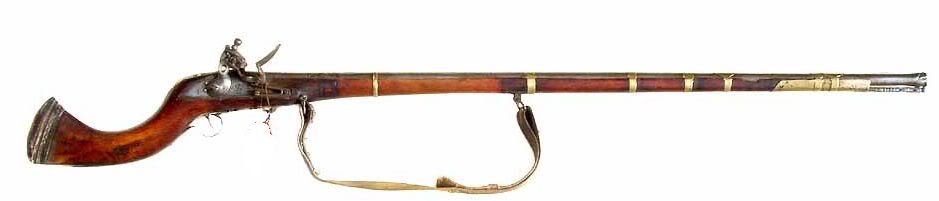

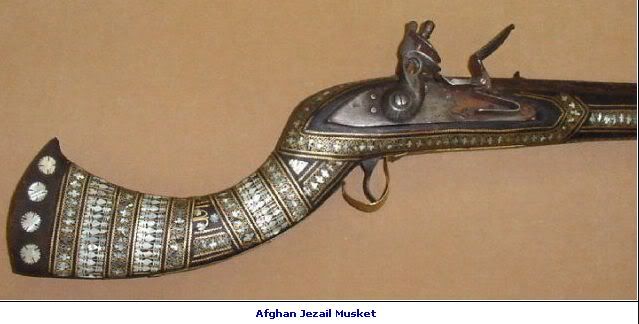
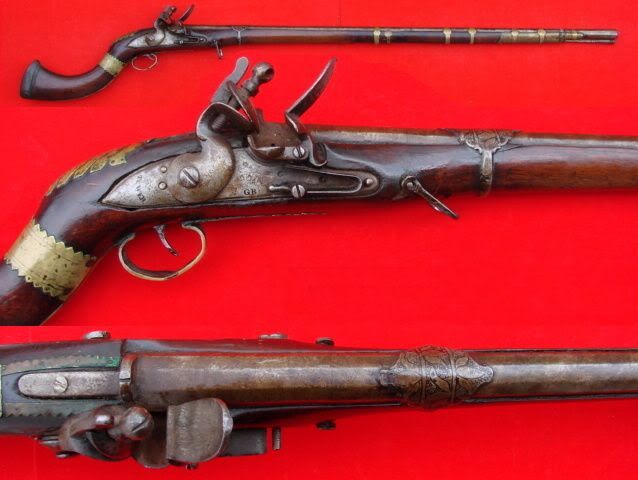
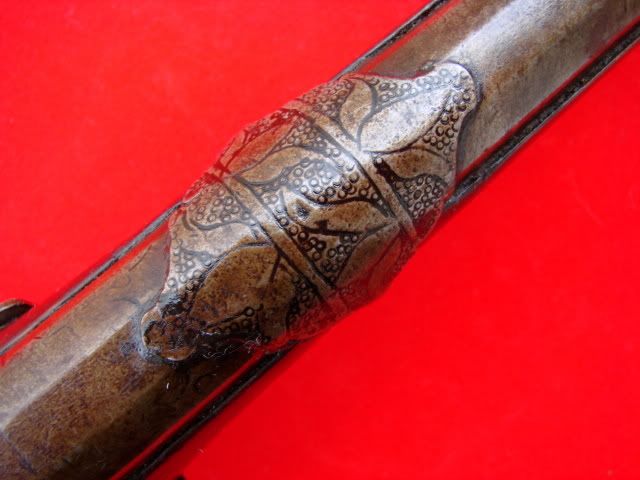
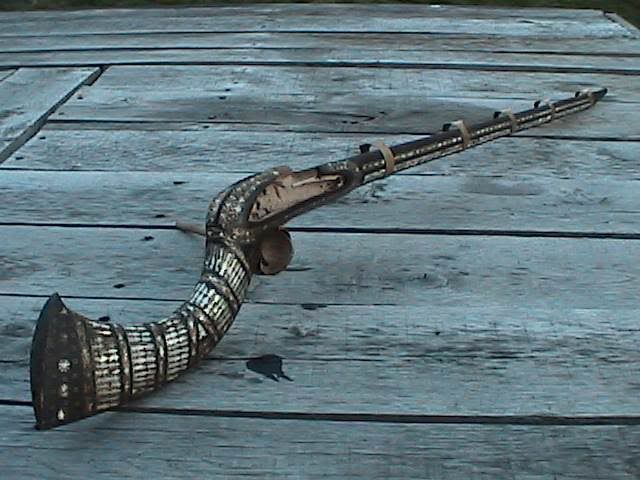
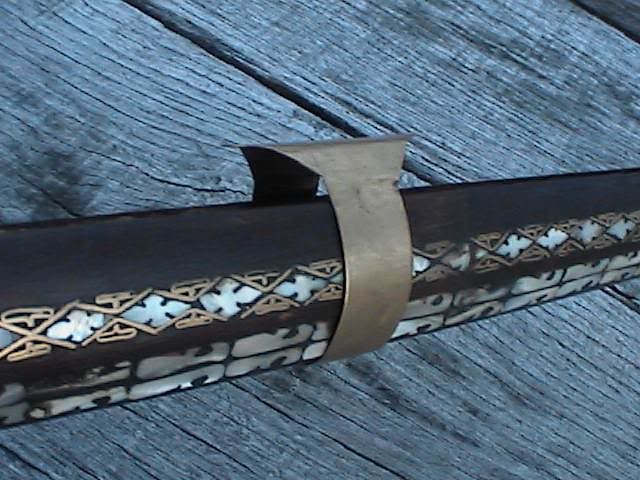
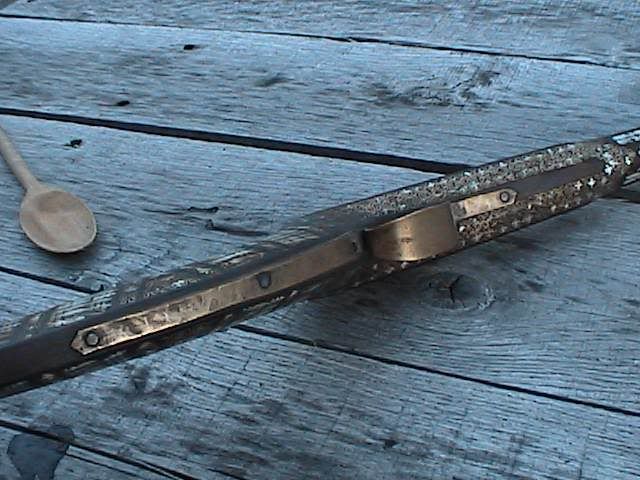
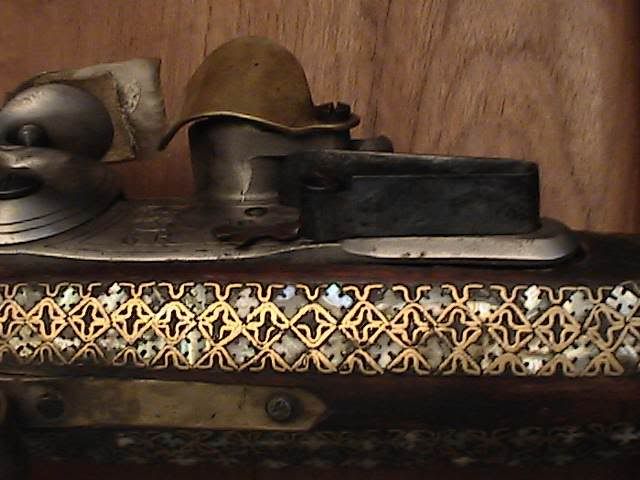
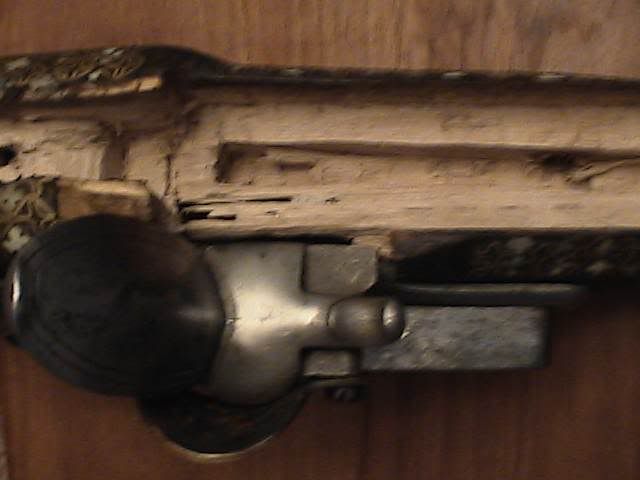
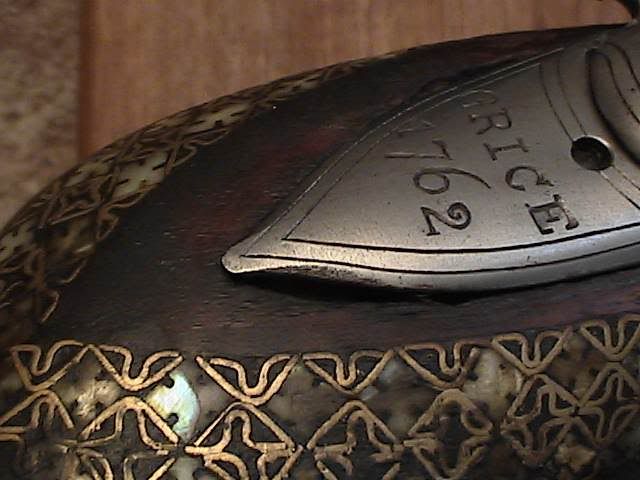
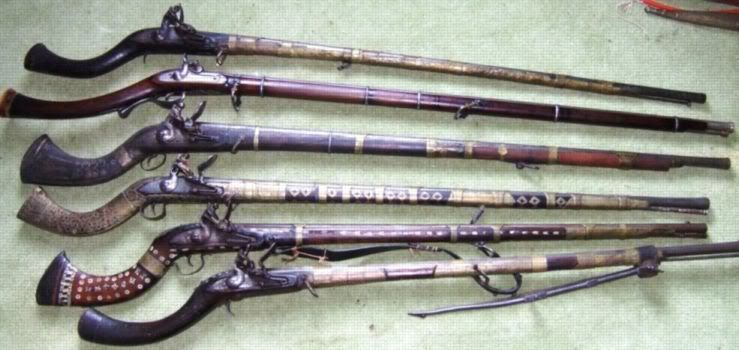
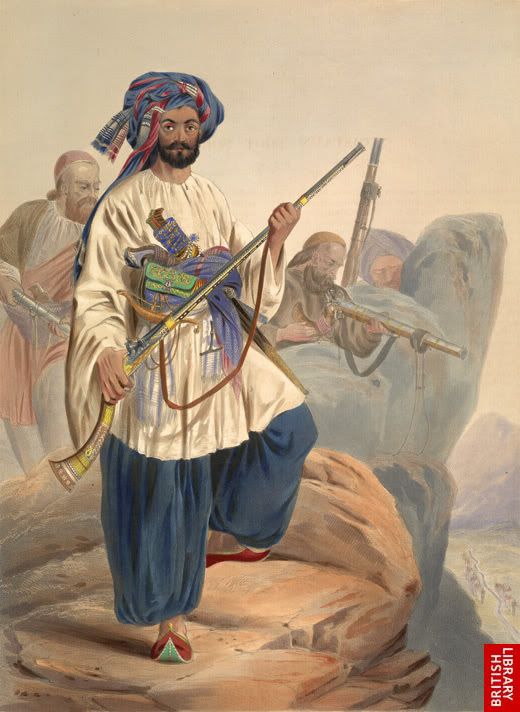
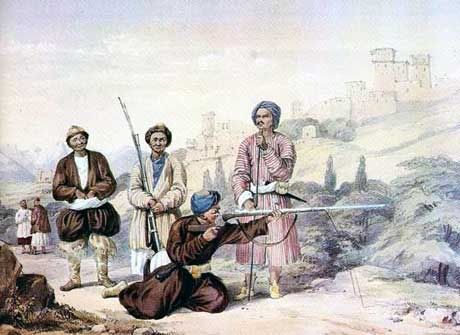
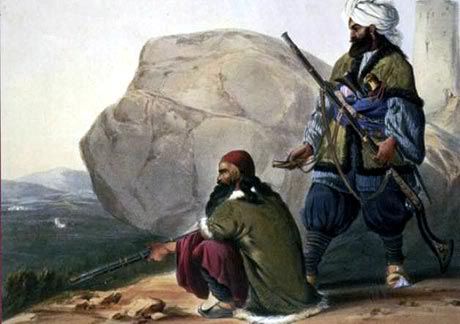
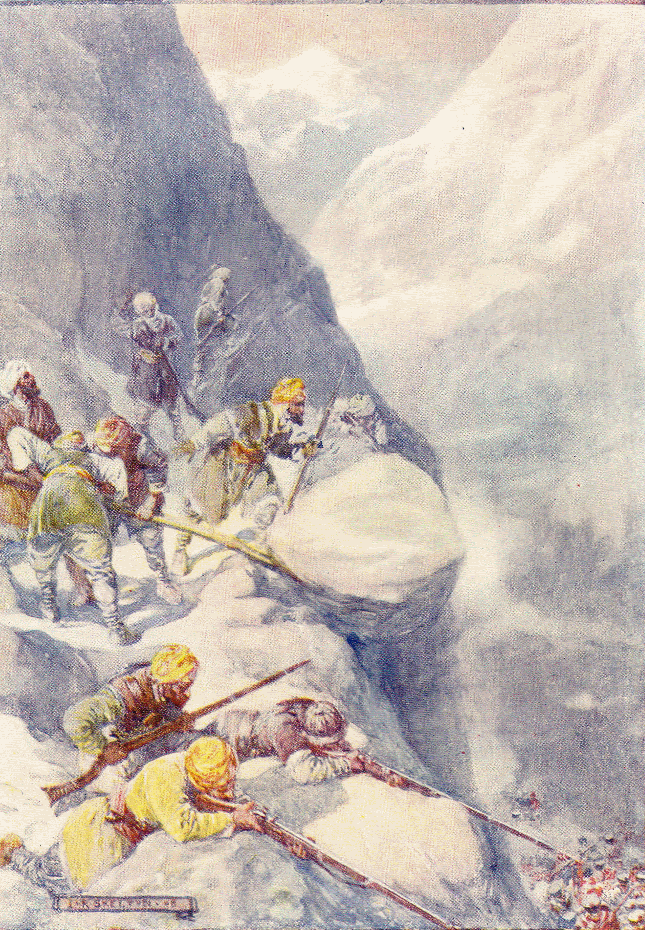
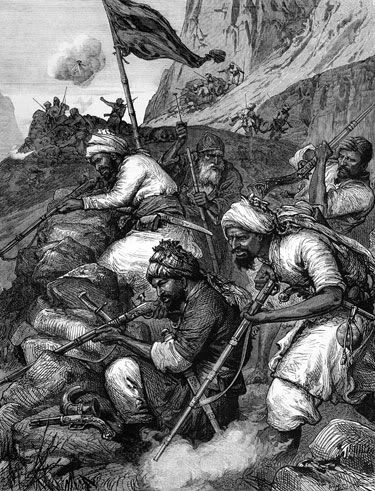
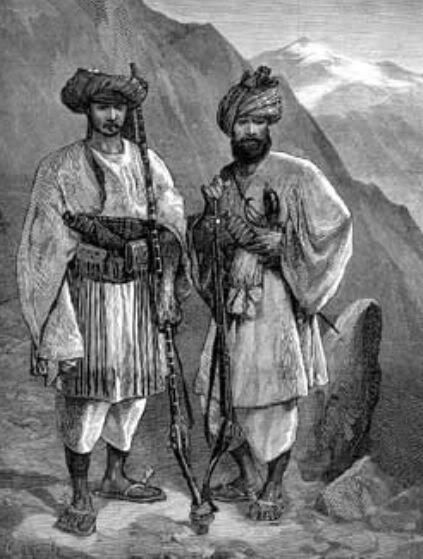
    The Jezail was a reverse engineered musket or rifle made from western firearms by Afghans after the invasion of Britain. The stocks, barrels, and other simple components were often hand made and sometimes beautifully decorated.Typically a musket, the jezail often had parts stolen from the Brown Bess muskets of the British Army. During the Anglo-Afghan Wars the jezail was the primary ranged weapon of Afghan warriors and was used with great effect against British troops. The British Brown Bess smooth bore muskets were effective at only 150 yards and accurate at 50 yards while some rifled Afghan jezails were effective up to 500 yards. Because of their advantage in range, Afghan rebels typically used the jezail from the tops of cliffs along valleys and defiles during ambushes. This tactic repeatedly devastated the British during their doomed retreat from Kabul to Jalalabad. British commanders were understandably terrified of Jezail armed Afghan snipers.

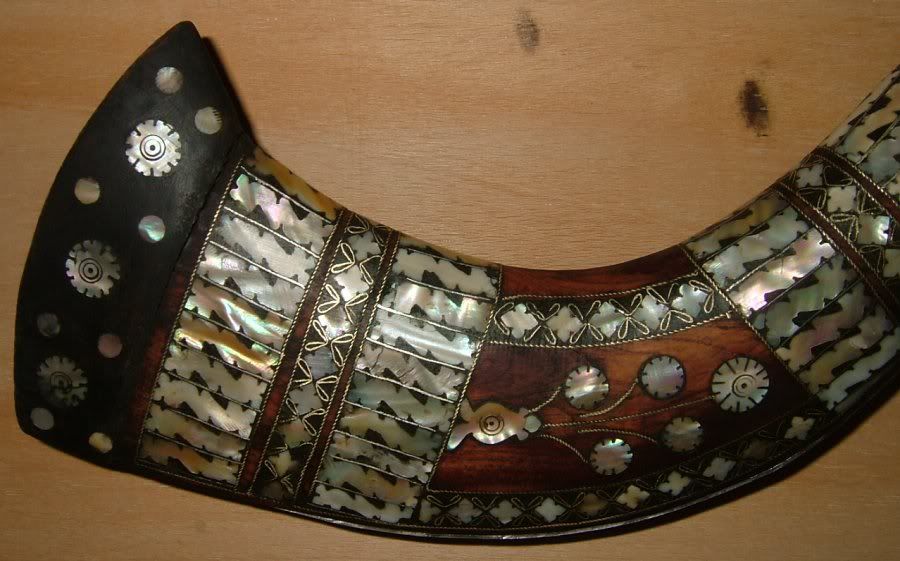
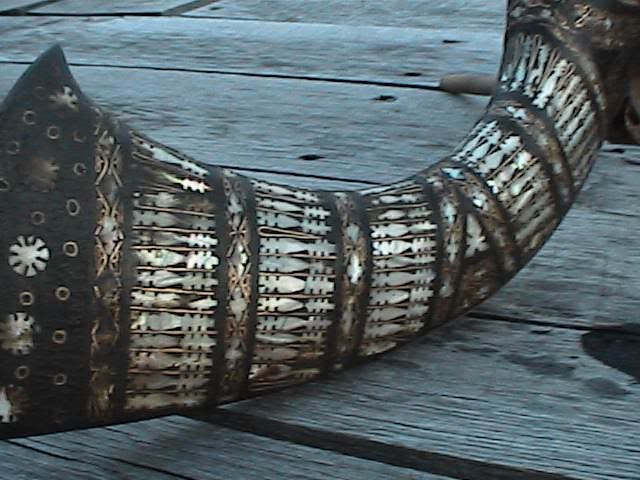
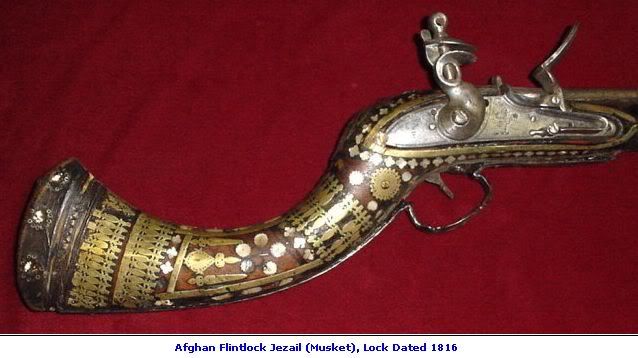
    The added length of the jezail also made reloading easier from horseback, as the butt stock would rest upon the ground while the muzzle would be at eye level. The jezail was fired using a horn or metal bi-pod, and it has been speculated that the highly curved stock was tucked under the arm and cradled tightly against the body, as opposed to being held to the shoulder like a standard musket or rifle. The argument against this method of firing is that the flash pan would be dangerously close to the face and the weapon would be harder to aim. It is more likely that the rifle was only tucked under the arm of the rider whilst riding horse or camel. Many Jezails were ornately engraved to mirror the beauty and lethality tribal warriors felt they possessed themselves.


    The Jezail was also mentioned in Rudyard Kipling's poetry describing British casualties in colonial wars:

    A scrimmage in a Border Station
    A canter down some dark defile
    Two thousand pounds of education
    Drops to a ten-rupee jezail.


    Last edited by Guest; 07-20-2010, 07:49 PM.

  • #2
    A beautiful weapon. I believe the skills acquired in reverse engineering and home-producing the Jezail were very well passed down and used by the Pashtuns for churning out another modern beauty - the AK 47.

    Comment


    • #3
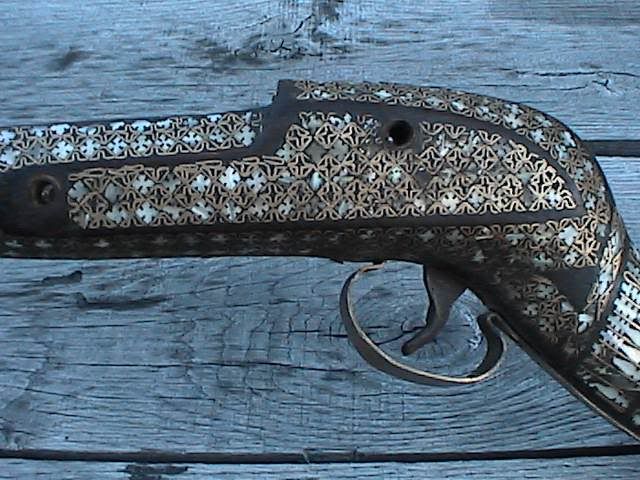
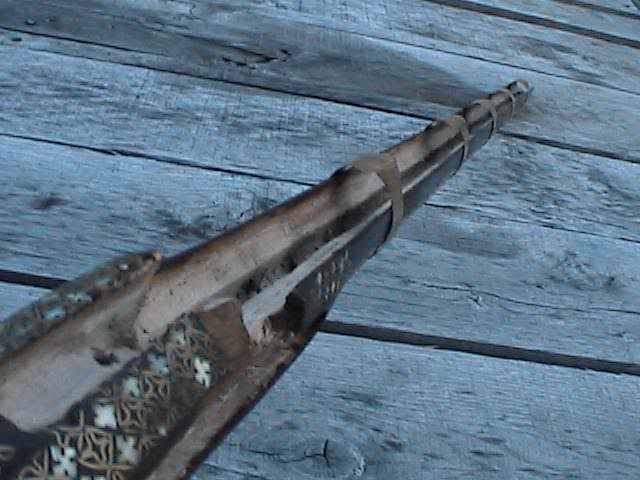
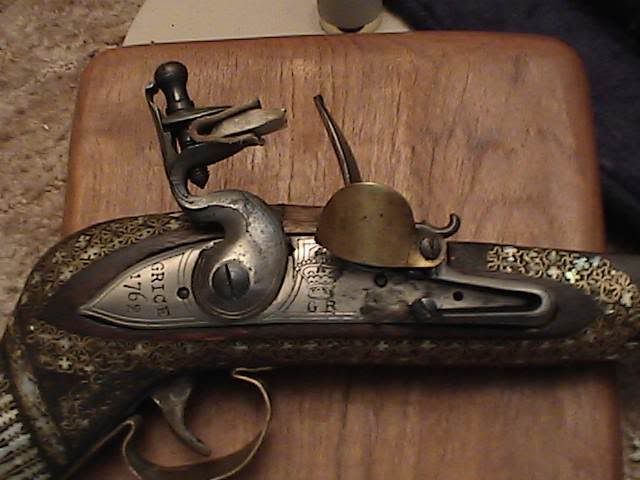
      the gun/stock/butt/ in the 3rd picture from the top is not old. Kar ye nawai dai.

      Comment


      • #4
        A real beauty!

        Comment


        • #5
          Originally posted by Zarawar View Post
          the gun/stock/butt/ in the 3rd picture from the top is not old.

          Whether or not it is "old", which I did not claim, it illustrates how lovely some of these jezails were decorated.

          The image was taken from
          http://www.armscollectors.com/darra/afghanold.htm
          and was captioned:

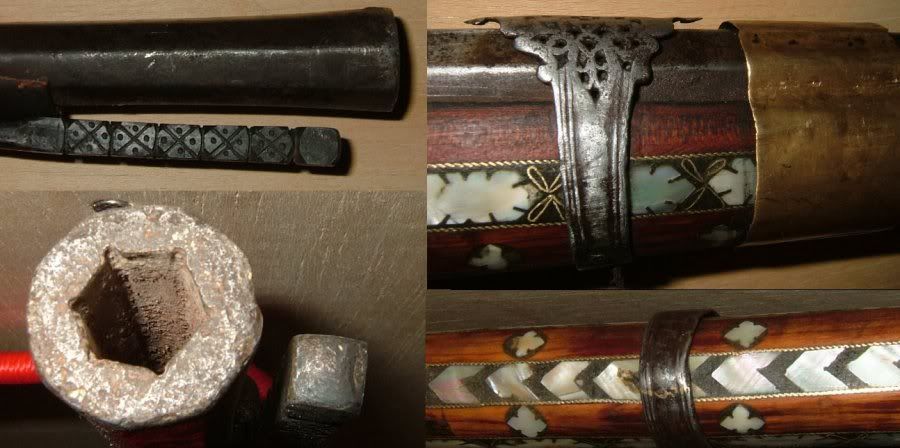
          "The buttstock decorations are flashy, but workmanship is crude, and the wood looks very fresh. My guess is that it has been heavily cleaned recently, perhaps with the decorations added at that time. Note the generous amounts of the coarse black filler used to anchor the inlays in place, similar to that on some of the pistols shown above. If it is a 100 year old gun, it is truly amazing that none of the inlays have fallen out over that time"

          Comment


          • #6
            Those pictures are amazing.
            Even Adobe Photoshop can't change me.

            A line[Durrand line] of hatred that raised a wall between the two brothers -Hamid Karzai

            For generations, the Hindus of India prayed for deliverance from "the venom of the cobra, the teeth of the tiger and the vengeance of the Afghan."


            The men of Kábul and Khilj also went home; and whenever they were questioned about the Musulmáns of the Kohistán (the mountains), and how matters stood there, they said, "Don't call it Kohistán, but Afghánistán; for there is nothing there but Afgháns and disturbances." Thus it is clear that for this reason the people of the country call their home in their own language Afghánistán, and themselves Afgháns. The people of India call them Patán; but the reason for this is not known. But it occurs to me, that when, under the rule of Muhammadan sovereigns, Musulmáns first came to the city of Patná, and dwelt there, the people of India (for that reason) called them Patáns—but God knows!

            -Ferishta, 1560–1620

            Comment


            • #7
              Originally posted by Musafira View Post
              Whether or not it is "old", which I did not claim, it illustrates how lovely some of these jezails were decorated.

              The image was taken from
              http://www.armscollectors.com/darra/afghanold.htm
              and was captioned:

              "The buttstock decorations are flashy, but workmanship is crude, and the wood looks very fresh. My guess is that it has been heavily cleaned recently, perhaps with the decorations added at that time. Note the generous amounts of the coarse black filler used to anchor the inlays in place, similar to that on some of the pistols shown above. If it is a 100 year old gun, it is truly amazing that none of the inlays have fallen out over that time"
              No, I understand your source. But, it's not old I can clearly tell. It would have been very valuable (not money wise) if it was old....
              most of these are made by the Afghan refugees and Dara tribesmen, there used to be a big market for it in 80s and 90s.
              Wos yey sok na akhalee, GHARB ham trey dak dai wos.

              Comment


              • #8
                I just added several more pics to the first post.

                Comment


                • #9
                  They could make anything in DARRA adam khel (khyber agency).

                  From ak 47s to m16 and US $.

                  Really talented people
                  Intezar che pa salgo sho no ta raghley
                  Che me jwand pa dobedo sho no ta raghley.....

                  Comment


                  • #10
                    Musafira seems to like guns allot

                    [SIZE="4"][B][CENTER][URL="www.quranawsunnat.com"]www.quranawsunnat.com
                    [/URL]
                    [URL="www.youtube.com/Sangartube"]www.youtube.com/Sangartube
                    [/URL][/SIZE]
                    Mullah 4 Life! [/CENTER][/B]

                    Comment


                    • #11
                      Much has been written on the apparent superiority of the Afghan shoulder
                      arm, the jezail , against the British musket. The long barrel gave the Afghan
                      jezailchi a greater range against the British and Indian musketeer, although
                      the heavier ball and difficulty of reloading a fouled and hexagonal bore
                      reduced the rate of fire to about one round every two or three minutes.

                      Moreover, the jezail was better suited to the Afghan defence of

                      mountainous terrain and not open warfare per se. Firers could take cover
                      to reload, whereas sword or mounted attacks, for all their spirit, were often
                      destroyed by volley fire from the British.

                      There is much disagreement about the range of these weapons, with some

                      claims being made that they could hit targets out to 500 yards, but this
                      seems an exaggeration and may be explained by the Afghans occupying
                      positions in cliffs practically above their targets, or, in the retreat from
                      Kabul, being virtually unable to miss the densely packed camp followers in
                      narrow defiles. According to Vincent Eyre, ‘the Afghans shot down our men
                      with ease, and laughed at the musket balls [fired back at them]’.

                      Some jezails could also be supported by stands or bipods which allowed

                      them to be aimed, and therefore enhanced their accuracy. According to
                      John Kaye, ‘The British muskets were no match for the Afghan jezails’ but
                      Major Yate, referring to other battlefields, observed, ‘Yet with those same
                      muskets did our soldiers and Hindustani sepoys defeat the Afghans at odds
                      of 5 or 10 to 1.'

                      Another officer commented that the clouds of smoke discharged from a

                      jezail gave away the positions of the Afghans, and enabled British
                      commanders to determine where the flanks of their formation lay, an
                      advantage the British lost when smokeless propellent and breech-loaders
                      became the norm in the twentieth century.

                      The focus on the jezail as a weapon reflects a more general Western focus

                      on technology in war, but British histories that emphasize the ‘superiority’
                      of the jezail do not offer explanations for the failure of the same weapon to
                      halt the British counter-offensive through the Khyber in 1842.

                      The answer to these interpretations is the importance of both the

                      technology and the manner in which it was used. Eyre observed that the
                      Afghans were ‘invariably taking steady deliberate aim, and seldom throwing
                      away a single shot; whereas our men seemed to fire entirely at random,
                      without any aim at all’.

                      The British and Indian infantry had been trained to shoot at massed targets

                      at close quarters in the European style, but for Afghans, where arms and
                      ammunition were expensive, they used their weapons more discriminately.
                      When jezailchis were driven from their defensive positions by flanking
                      manoeuvres and pursued, there were fewer opportunities for them to inflict
                      heavy losses.

                      Moreover, in the British retreat from Kabul, the Afghans had encountered a

                      demoralised force which found it difficult to manoeuvre or to check the
                      Ghilzais close-quarter attacks. The short sword, or ‘Khyber knife’, was
                      much feared because of its ease of concealment and the damage it could
                      do.

                      The cutting up of wounded personnel with this weapon had a psychological

                      effect on British and Indian witnesses, and was mentioned frequently by
                      survivors of the 1841 retreat from Kabul. However, in the counter-offensive
                      by Pollock and Sale, the British forces were more cohesive and motivated,
                      and they were more willing to engage at close quarters.


                      An extract from British Approaches to Pacification in Afghanistan, 1842-1880

                      ---
                      To advise others is an easy matter, the difficulty is accepting advice -- since it is bitter for those who follow their
                      own inclinations and desires
                      .


                      -Imam al Ghazali

                      Comment


                      • #12
                        Beautiful guns!
                        Dark Vader Ghost King El Malo Camello Papa

                        Pro-Black is Pro-Righteous!

                        Comment


                        • #13
                          Very impressive and beautiful weapon.

                          Are they still produced in Afghanistan?

                          Comment


                          • #14
                            Originally posted by єѕαρχαι View Post
                            They could make anything in DARRA adam khel (khyber agency).

                            From ak 47s to m16 and US $.

                            Really talented people
                            Have you seen a decent looking/function able jezail in darra? How much would a decent well decorated fetch for? I would love to own one.

                            Comment


                            • #15
                              Anyone, come on KPK boys!! You have a cottage industry there, help me out with this jezail availability. Other wise darra is a long detour off the karkhanai sarak, and then i dont expect to be travelling through PK any soon either.

                              Comment

                              Working...
                              X