Announcement

Collapse
No announcement yet.

Asian weapons

Collapse
X
 
  • Filter
  • Time
  • Show
Clear All
new posts

  • Asian weapons

    The asian region created lots of sophisticated weapons in history:
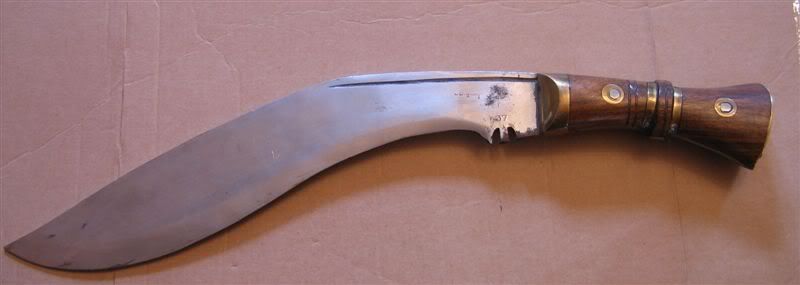


    This deadly blade, derived from the single-edged swords used by Alexander's Greek troops, is carried by brave Gurkha soldiers instead of a bayonet in a scabbard which also contains a matching knife and fork. The kukhri is heavy enough to chop wood but sharp enough to prepare food. The curved design enables the soldier to cut an enemy's throat, while the grip is widest at the ends so as not to slip from a sweat or blood soaked hand. The notches, now used to open bottles, were originally intended to trap an enemy blade. During the war Kukhris, made by local craftsmen, were often carried by many British and Australian troops in the Pacific and proved invaluable in the dangerous jungles.
    Last edited by Karachi; 10-04-2011, 08:34 PM.

  • #2


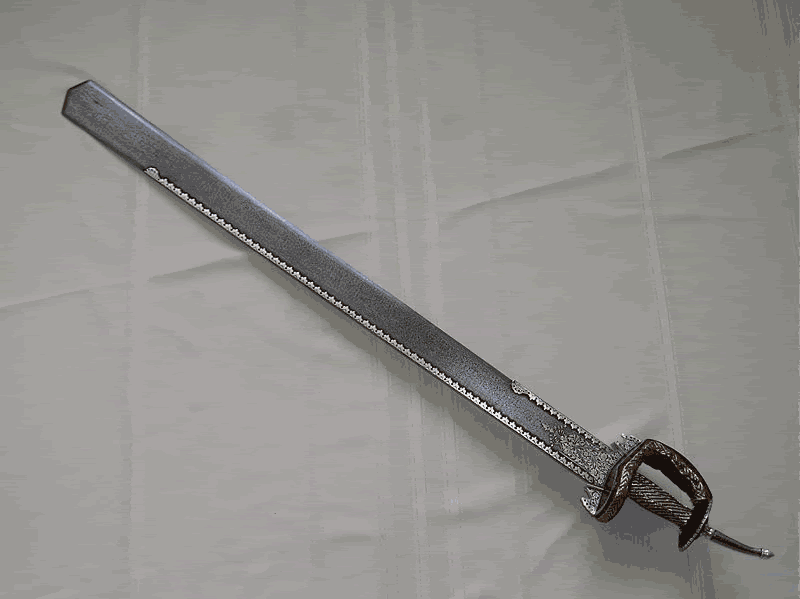
    The Khanda is a fearsome Indian sword designed to combat armored opponents. Its grip enables it to be used one or two-handed and the serrated blade is designed to cause maximum damage. However, despite its reputation it wasn't the most reliable weapon. One Rajput king, angered that his army had been defeated, struck a general with a khanda but the man was unharmed

    Comment


    • #3


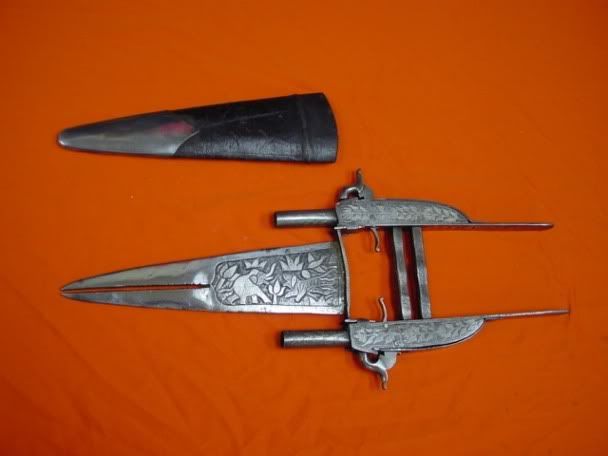
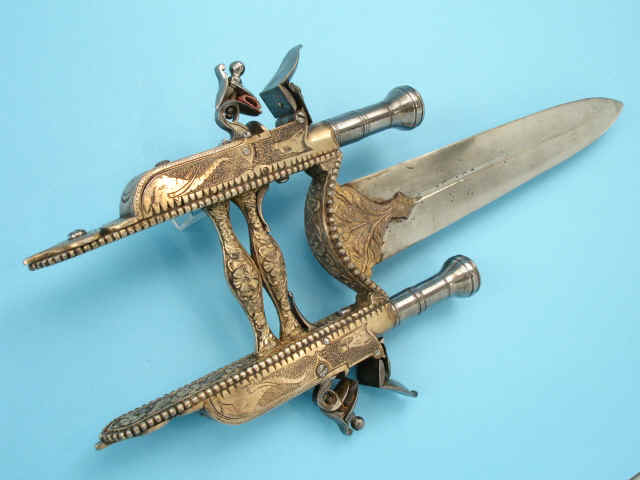
      The Indian Katar is one of the weirdest Oriental weapons. This thrusting dagger, used by Hindu warriors, was often made from broken sword-blades. It incorporated two pistols that could be fired by squeezing the bars together and was sometimes fitted with a guard that enclosed the entire hand.

      Last edited by Karachi; 10-04-2011, 08:47 PM.

      Comment


      • #4


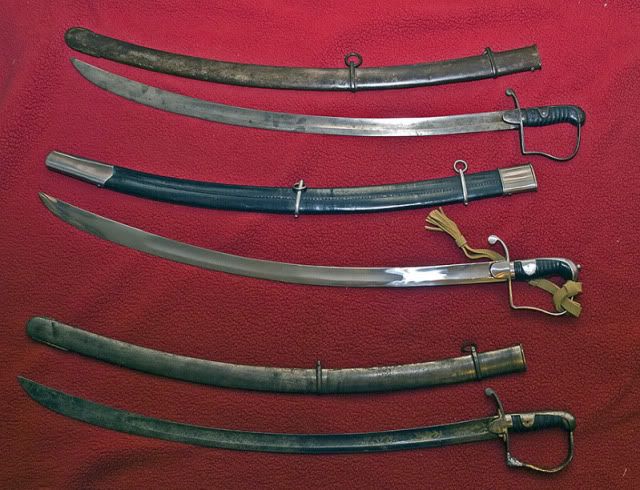
        The tulwar is an Indian sword of Persian origin. It was the weapon of Tippu Sultan during his wars against the East India Company. Looking at the blade, you can see where the Brits got the design of their 1796 light cavalry sabre.

        Comment


        • #5


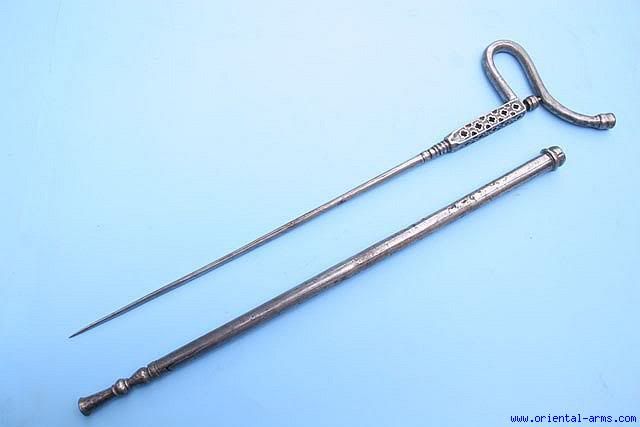
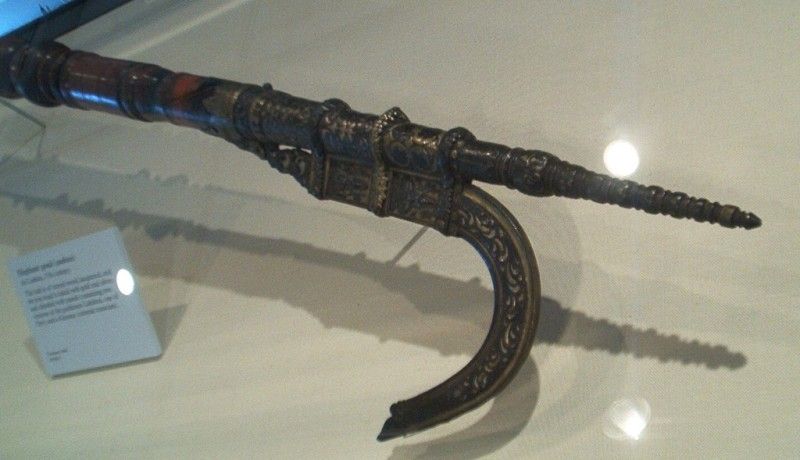
          Fakirs had some particulary weird daggers as their religion prohibited them from carrying conventional weapons. These "fakir's horns" made from spear points were held in the left hand to parry sword-thrusts

          Last edited by Karachi; 10-04-2011, 08:46 PM.

          Comment


          • #6
            i saw some really good ones in a shop in islamabad once. i wish i had taken pictures.

            I am no bird, and no nest ensnares me.

            non commercial would cost less if he was in charge himself which he plans on doing. right now it's n herat but soon it will be in qanadahar.

            Comment


            • #7


              jezail used by afghans to drive out british

              Comment


              • #8
                Turkish sword used all over central/south asia:


                A Persian Zulfiqar sword, named after the weapon of Ali. Its curved blade and serrated edges were intended to inflict very deep wounds


                Comment


                • #9


                  The jambiya originated in Arabia and spread throughout Africa and Asia. These can be found as far south as Sudan, as far east as India and as far north as the Caucasus. The best daggers are made from a rhinoceros horn and decorated with precious stones and silver to demonstrate the individual's wealth

                  Comment


                  • #10


                    The ankusa was used to control war elephants: the largest weapons of the Mughal army. Each elephant was protected by armor plate. On its back was a howdah containing musketeers, archers and grenadiers

                    Comment


                    • #11


                      he largest and most powerful Asian weapon, the war elephant was used from the time of Alexander until the 19th century. Hannibal used them to cross the Alps and the king of Thailand offered to send a division to help the North during the American Civil War

                      Comment


                      • #12


                        Indian muskets had an enclosed lock to keep the match dry in wet weather. They often had intricate engraved metalwork and painted stocks

                        Comment


                        • #13
                          Arabia Islamic sword from the 7th century:


                          Medieval version of islamic sword:

                          Comment


                          • #14


                            Pulwar Afghan Sword with Wootz Persian Blade


                            An Afghan sword pulouar, heavy curved blade

                            Comment


                            • #15
                              Caucasian traditional fight knife
                              Attached Files
                              Ա՜խ, ընկել եմ քար ու քարափ,
                              Իմ սրբություն, ե՛տ արի, ե՛տ,

                              Ես ծովակ եմ առանց կարապ,
                              Իմ էություն, ե՛տ արի, ե՛տ:

                              Ես անտառ եմ առանց եղնիկ
                              Իմ վեհություն, ե՛տ արի, ե՛տ:

                              Comment

                              Working...
                              X