Announcement

Collapse
No announcement yet.

difference between pashtuns and baloch?

Collapse
X
 
  • Filter
  • Time
  • Show
Clear All
new posts

  • #31
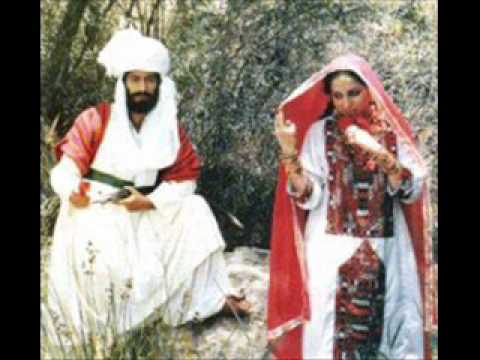
    Balochs are widely spread, even in Turkmenistan there is an area were Baloch people live.
    How I told already my friends visited several times Iranian Balochisan, and they liked it more than any other Iranian region for the simple, friendly and helpfull people, that didn't cheat them, didn't ask for anything to much money and really helped in difficult situations.
    Ա՜խ, ընկել եմ քար ու քարափ,
    Իմ սրբություն, ե՛տ արի, ե՛տ,

    Ես ծովակ եմ առանց կարապ,
    Իմ էություն, ե՛տ արի, ե՛տ:

    Ես անտառ եմ առանց եղնիկ
    Իմ վեհություն, ե՛տ արի, ե՛տ:

    Comment


    • #32
      Originally posted by Arevapasht View Post
      Balochs are widely spread, even in Turkmenistan there is an area were Baloch people live.
      How I told already my friends visited several times Iranian Balochisan, and they liked it more than any other Iranian region for the simple, friendly and helpfull people, that didn't cheat them, didn't ask for anything to much money and really helped in difficult situations.
      Yes, Balochistan and Khuzestan (Iraqi territori and were Sunni Iraqi Arabs are the majority). I never visited Iran but I have always heard that those two regions were the most friendly.

      Baloch people were always supported by Iraqis against Iran. There are a few thousand Baloch people in Iraq as well. And even more in Oman (especially there).

      They are peaceful and friendly people.
      Last edited by al-arab; 12-12-2011, 02:29 PM.

      Comment


      • #33
        Originally posted by al-arab View Post
        Yes, Balochistan and Khuzestan (Iraqi territori and were Sunni Iraqi Arabs are the majority). I never visited Iran but I have always heard that those two regions were the most friendly.

        Baloch people were always supported by Iraqis against Iran. There are a few thousand Baloch people in Iraq as well. And even more in Oman (especially there).

        They are peaceful and friendly people.
        khuzistan is not majority sunni arab

        Comment


        • #34
          Some diferences between Pashtun and Baloch tribalism are described here:
          http://www.pashtunforums.com/english...41/#post569496

          chapter 5, Ethnic processes on the Pathan - Baluch boundary, pp. 93-103.
          Last edited by یاسمینه; 12-26-2011, 11:23 AM.
          دلته دم او قدم دواړه په حساب دي - پل په لاره غلط مه ږده بې حسابه

          Comment


          • #35
            looks like baloch will finally get their independence

            Comment


            • #36
              I dont know ,,, i think balochis are of arab descent while pashtuns are iranics / aryan

              Comment


              • #37
                Baluch are majority Iranic, with small Brahui, and , Makrani mixture

                Comment


                • #38
                  Originally posted by Luffy View Post
                  In the past Balochs were notorious for being looters and marauders. The greatest sardar of baloch mir chakar rind was killed by a general of sher shah suri near multan because of his raiding compaigns in south punjab for loot. To counter rind balochs sher shah suri take DI khan and DG khan from afghans and gave them to two baloch sardars ismael khan and ghazi khan with promise that they would counter rinds.
                  Most of the feudal lords in south punjab and sindh are balochs. They are proud yet arrogant people and treat local people in south punjab and sindh like trash...lagharis, mazaris, lasharis, mehar, zardaris, jamalis, jatois, talpurs etc all these "wadairas" are balochs and have mentally enslaved poor local people. They are not considered that much loyal. Morally they are considered better than sindhis.
                  Maris and bugtis have tribal enemities with pashtuns, still both frequently intermarry with each other.
                  They are light skinned people , but not as fair a
                  In sindh they are very distinguished from original sindhis. Original sindhis are very dark, short and skinny while balochs are well built and light skinned..

                  pashtuns are independant and individual people and balochs are under their sardars
                  So Asif Ali Zardari , President of Pakistan , is a baloch !
                  .

                  Comment


                  • #39
                    Originally posted by Bharati View Post
                    So Asif Ali Zardari , President of Pakistan , is a baloch !
                    Rightly said. But I have often noticed that the Baloch in Sindh or Punjab are far different from the Baloch in Balochistan. Zardari may be a Baloch by his background but he counts himself as a pure Sindhi.

                    In other words the many Baloch living in Sindh consider them Sindhi. I have noticed this trend when I as a journalist interviewed Sikandar Baloch a famous newscaster. He considered himself Sindhi... which made my interview difficult as it was about Baloch problems and I wanted a Baloch take on the situation.

                    Since he considered himself Sindhi... it was harder.

                    I would also like to say that not only is the centers policy weak in Balochistan but also that of many Nationalist organizations. Our weak approach in Balochistan is a major problem. When we planned a package for Balochs we started helping out the Baloch in Sindh.

                    Our reach in Balochistan is truly limited which is a subject of great concern.
                    I am the author of Badal, an upcoming fiction novel on the War on Terror. For more information about me visit [URL="http://www.havisultan.com"]www.havisultan.com[/URL]

                    Follow me on twitter:
                    [url]https://twitter.com/#!/HaviZSultan[/url]

                    Comment


                    • #40
                      Kind stop lying and misleading the peopel luffy

                      Originally posted by Michin Khel View Post
                      In the past Balochs were notorious for being looters and marauders. The greatest sardar of baloch mir chakar rind was killed by a general of sher shah suri near multan because of his raiding compaigns in south punjab for loot. To counter rind balochs sher shah suri take DI khan and DG khan from afghans and gave them to two baloch sardars ismael khan and ghazi khan with promise that they would counter rinds.
                      Most of the feudal lords in south punjab and sindh are balochs. They are proud yet arrogant people and treat local people in south punjab and sindh like trash...lagharis, mazaris, lasharis, mehar, zardaris, jamalis, jatois, talpurs etc all these "wadairas" are balochs and have mentally enslaved poor local people. They are not considered that much loyal. Morally they are considered better than sindhis.
                      Maris and bugtis have tribal enemities with pashtuns, still both frequently intermarry with each other.
                      They are light skinned people , but not as fair as pashtuns.
                      In sindh they are very distinguished from original sindhis. Original sindhis are very dark, short and skinny while balochs are well built and light skinned..

                      pashtuns are independant and individual people and balochs are under their sardars


                      In the 15th century, Mir Chakar Khan Rind became the first king of Balochistan established the First Kingdom of Baluchistan. It stretched from Kerman in the west to Sindh on the east ad from north southern Khorasan, and from Afghanistan and the Punjab to Karachi after a lot of time Civil war started between Rind and Lashari baloch tribes of balochistan which lasted for over thirty years in which resulted death of thousands of people


                      After Humayun set out from his expedition in Sindh, along with 300 camels (mostly wild) and 2000 loads of grain, he set off to join his brothers in Kandahar after crossing the Indus River on 11 July 1543 along with the ambition to regain the Mughal Empire and overthrow the Suri dynasty. Among the tribes that had sworn allegiance to Humayun were the Magsi baloch, Rind and many other baloch tribes .

                      in 1555 a large body of Balochis, under their great leader Mir Chakar Rind Baloch accompanied the Emperor Humayun into India. It is because that many of the Baloch settlements, in the Eastern districts of the Punjab and in North India (Haryana ,western Uttar Pradesh), were founded by Humayun's baloch soldiers. Mir Chakar settled in Sahiwal and his tomb still exists at Satgarha, where he founded a military colony of Rinds.


                      The Rind tribe led by Mir Chakar Rind had formed powerful coalitions in the mountains Baluchistan and recognized Mughal Emperor Babur as their suzerain in the year 1528. When the Mughal Emperor Humayun was forcefully deposed by Sher Shah Suri in the year 1540, Mir Chakar Rind and his son Mir Shahzad Rind fought against Sher Shah Suri and fought against the usurper Sher Shah Suri.The Rind tribe later escorted Humayun to meet Shah Tahmasp of Isfahan and later joined Humayun's Qizilbash regiments and were well rewarded with very large jagirs and family relations when Humayun finally regained the Mughal throne in 1556 with the help of mir chakar rind baloch


                      Malik Sohrab Dodai Baloch


                      Malik Sohrab Dodai was a Baloch mercenary who moved to Multan (Punjab) in the late 15th century at the behest of the Langah dynasty of Rajputs. He was accompanied by his sons, Ghazi Khan, Fatih Khan, and Ismail Khan.

                      This move is seen as the establishment of Baloch presence in the Punjab, as Dodai was followed by fellow Baloch mercenaries . Shah Hussain encouraged them by offering them lands extending from Kor Karor to Dhankot (present-day Muzaffargarh).


                      Ghazi Khan Baloch


                      Ghazi Khan Dodai (Balochi, غازی خان دودائي) was the son of Malik Sohrab Dodai, a Baloch mercenary who moved to Multan (Punjab) in the late 15th century at the behest of the Langah dynasty of Rajputs. He was accompanied by his sons, Ghazi Khan, Fatih Khan and Ismail Khan.

                      The Derajat had its existence as an historical area to the Baloch immigration in the fifteenth century. Sultan Husain, the Langah Dynasty's Sultans of Multan, being unable to hold his trans-Indus possessions, called in Baloch mercenaries for help, and assigned these territories to Malik Sohrab Dodai in jagir. Malik's sons, Ghazi Khan, Ismail khan and Fateh Khan, founded the three Deras Dera Ghazi Khan and Dera Ismail Khan named after them


                      The Talpur Baloch dynasty (1783 to 1843)

                      Talpur Is a Baloch Tribe And Is settled in Sindh And punjab provinces of Pakistan. They are descendants of Mir Jalal Khan and originally Belong to The Hoth baloch branch Of mir jalal khan's Descendants. they Lived In Baluchistan from Where They migrated To present day Punjab's Dera ghazi khan Area. Kalhora Rulers of Sindh Invited Them to Migrate To Sindh and help Them overcome Unruly Baloch Tribes living In Sindh. Talpur dynasty conquered and ruled Sindh, And Other Parts Of present day Pakistan, from 1783 to 1843.


                      Afghan-Sikh Wars

                      Afghan-Sikh Wars were fought between the Sikh Empire and the Durrani Empire .


                      1) Battle of Attock 13 July 1813 Sikh Victory
                      2) Battle of Multan March 1818 Sikh Victory
                      3) Battle of Shopian 3 July 1819 Sikh Victory
                      4) Battle of Nowshera March 1823 Sikh Victory
                      5) Battle of Jamrud 30 April 1837 Sikh Victory
                      6) Battle of Peshawar (1834) Sikh Victory


                      Mazari Baloch Tribe War With Sikh Empire in Rojhan Tehsil in Rajanpur District of Punjab Pakistan


                      In 1836, Mithankot, by then a strong Sikh garrison fortress, was attacked by the Mazari Baloch tribal forces under the command of Sardar Karam Khan, the younger brother of the Mazari Chief Sardar Mir Bahram Khan. The attack came as retaliation to Raja Kharak Singh’s constant threats to the Mazari stronghold of Rojhan Mazari. Many lives were lost and the garrison along with the city was completely burnt down. All the prisoners taken by the Mazari tribesman were later skinned alive and burnt near the city. A few days later the Sikhs under the command of Raja Kharak Singh retaliated and attacked the Mazari Stronghold of Rojhan and managed to burn it down but the Sikh army was quickly engaged by the forces of Sardar Mir Bahram Khan and driven back towards Mithankot. Despite, suffering a major loss in terms of property, only a handful of Mazaris lost their lives as the news of the attack had reached the court of the Mazari Sardar a few days earlier thereby eliminating the element of surprise. These events led to regular skirmishes between the Mazari and the Sikh forces resulting in loss of life on both sides. Then finally in early 1838, a deal was brokered between Sardar Mir Bahram Khan Baloch and Maharaja Ranjeet Singh which led to an armistice that was signed by the Chief’s younger brother Sardar Karam Khan and Diwan Sawan Mal, the Maharaja’s Governor of Multan. Later that year Sardar Mir Bahram Khan along with twelve thousand Mazari Tribesman, court officials and notables visited Lahore on the invitation of Maharaja Ranjeet Singh. The Mazari's were well received by the Maharaja at the Lahore Fort and given a royal welcome. The Maharaja had the Mughal era Naulakha Pavilion(saman Burj) inside the Lahore Fort specially renovated for the month long stay of Sardar Mir Bahram Khan Mazari. This meeting between the two leaders officially brought an end to the long war between the Sikh Maharaja and the Mazari Baloch Sardar that started with the attack at Mitankot.


                      LUND BALOCH TRIBE WAR WITH PASHTUNS


                      Most Lund Balochs are also located in city Setharja district Khairpur, Sindh. The came at Dera Ghazi Khan and defeated Pathans at Salar near the mountain of Suloman.There was a bloody battle which lasted nearly one month between the Pashtoons and lond balochs.Pashtoons fight to death to defend to their land, many were died and graves of martyars can be seen at the soleman mountain near soori.Atleast Pashtoons had to left the area and till that day Lond baloch are located at the fertile land of shadan lond. Some of them lived with the Gurchani tribe. Their chief family is Haiderani which is the branch of this tribe. Haiderani is due to the name of their Sardar Haider Khan Lund Baloch who is the father of chief family named Haidrani of sori Lund Baloch tribe. The fort of Sardar Haider Khan Lund Baloch could be seen in zindah peer at the mountain of Suloman. Sardar Muhammed Khan Lund Baloch which was the tumandar of Lund built two forts at Zinda peer and one in Kandi Walla. A large tribe divided into two tumans, both in Dera Ghazi Khan the Lunds of Sori and the Lunds of Tibbi. Both claim descent from All, son of Behan, Mir Chakur's cousin. Sori Lunds are a large tribe living in the plains, with their headquarters at Kot Kandiwala but after migration of Khan Bahadur Sardar Ghulam Hussain Khan Haidrani Lund Baloch to Shadan Lund headquarters of Lund Baloch tribe had changed. This tribe contains a clan of Gurchanis. Now they are living in a city Shadan Lund near Dera Ghazi Khan. Shadan Lund is about 10 km from the Indus River, Pakistan. Shadan Lund is in District Dera Ghazi Khan. The leader of lund baloches are Raees Naban khan Lund (Dadu), Mir Khalid Khan Lund (Ghotki) and Sardar Fayaz Lund(Ghotki).


                      Sindhi Baloch


                      Sindhi-Baloch (Sindhi: ٻروچ, Urdu: سندھی بلوچ‎) are Baloch tribes living in Sindh province of Pakistan. The term Sindhi Baloch refers to the Baloch people that migrated from Balochistan to Sindh and have assimilated with Sindhis. These tribes came originally from Iran, and settled in Sindh from the 16th century onwards. The Baloch of Sindh use Sindhi language as their mother tongue. It is estimated about 35 to 40% of Pakistani Sindhis are of Baloch origin.


                      Major tribes


                      Ahmedani
                      Almani
                      Bijarani
                      Buledi
                      Bulfati
                      Chandio
                      Domki
                      Gabol
                      Jamot
                      Janwari
                      Jakhrani
                      Jagirani
                      Jiskani
                      Jamali
                      Jarwar
                      Jatoi
                      Khoso
                      Kalpar
                      Kalmati
                      Lashari
                      Leghari
                      Lund
                      Magsi
                      Marri
                      Mazari
                      Mirani
                      Mugheri
                      Nizamani
                      Nutkani
                      Rind
                      Talpur
                      Umrani
                      Zardari
                      Zaur tribe


                      Baloch of Punjab pakistan Total population is 2,414,000

                      A significant number of Baloch tribes have over time settled in the Punjab province of Pakistan. These Baloch are often referred to as the Punjabi Baloch

                      Sahiwal District of punjab pakistan were given to Mir Chakar Rind Baloch in jagir by Mughal Emperor Humayun for helping him to overthrow the suri dynasty in the 15th century


                      Present circumstances


                      The Baloch of the Punjab plains are now altogether separated from the Baloch tribes of Balochistan and the Derajat, although the same tribal names are still found among them. Long residence in Punjab and inter-marriage with the Jats has deprived them of many of their characteristics, and they have now forgotten the Baloch language and have abandoned the Baloch dress. They now speak Seraiki in the south of Punjab, while those in the districts of Faisalabad, Sahiwal, Jhang, Sargodha and Khushab speak Punjabi.

                      They are good Muslims, fair agriculturists. In character they are brave, chivalrous, and honourable. In physique they are tall, thin, wiry, hardy, and frugal in their habits


                      Distribution and main clans


                      The Baloch are found mainly in the districts of Multan, Lodhran Muzaffargarh, Dera Ghazi Khan districts in sothern Punjab and Jhang, Sargodha, Khushab and Sahiwal bhakar rahim yar khan bahawalpore rajan pore and thonsa

                      The following clans are those most commonly found of the Punjab : —

                      Kulachi, Ahmadani, Chandio Korai, Jatoi,Gopang, Mashori, Rind,khosa 'sanjrani' lund' jamali' marri' lashari' dodai' meerani' Khushk, Gurmani, Dashti, Jatoi, Gishkauri, Mazari, Hot, Pitafi and Zangeza, Jalbani, Gurchani Jhar.lalwani.nutkani

                      The Rind, Jatoi and Korai are numerous in Multan, Jhang, Sahiwal, Sargodha, Rahimyar Khan and Muzaffargarh districts. While the Gopangs and Dashtis, both are found in the Muzaffargarh district. The Hot are found in Jhang, Multan and Muzaffargarh, and the Gurmanis, Khushik, Giskhauris, Pitafis in Muzaffargarh and Rahimyar Khan. While the Mazaris in Jhang,Jaccobabad,Rajanpur,Kashmore and Rahimyar khan. The Magassi Baloch, who are found in Multan, Muzaffargarh, Mianwali and Jhang, appear to be a "peculiar people" rather than a tribe.Jalbani tribe is concentrated in D.G.Khan and Rajanpur districts in the Punjab.


                      Baloch Of India


                      Baluch (Uttar Pradesh)


                      Three Baloch adventurers Ismail Khan, Fatteh Khan, and Ghazi Khan, founded the three Dehras that bear their names, and established themselves as independent rulers of the Lower Derajat and Muzaffargarh, which they and their descendants held for nearly 300 years. The three brothers founded the settlements of Dera Ghazi Khan, Dera Ismail Khan and Darya Khan. Thence the southern Balochis gradually spread into the valleys of the Indus, Chenab, and Sutlej, and in 1555 a large body of Balochis, under their great leader Mir Chakar, accompanied the Emperor Humayun into India. It is because many of the Baloch settlements, in the Eastern districts of the Punjab, were founded by Humayun's baloch soldiers A small number of Baloch began to immigrated from Multan and Sindh into Gujarat India from at least the 14th century.


                      Baloch of the Doab Uttar Pradesh India


                      Now the most important Baloch colonies in Uttar Pradesh are those of Amirnagar, Garhi Abdullah Khan, Garhi Pukhta, Jasoi and Baghra in Muzaffarnagar District. They settled in the district during the rule of the Mughal Emperor Aurangzeb, and rose to prominence as the Mughal Empire disintegrated. Another two prominent Baloch families were those of Tajpuri and Jhajhar, in Bulandshahr District. The Tajpuri Baloch are descended from Nahar Khan, who is said to have from Seistan during the rule of Alauddin Khilji. Nahar Khan was latter appointed governor of Deccan, and his son Sardar Khan founded a settlement in Ganaura Shaikh, and the family rose to some prominence during the rule of the Aurangzeb. While the Jhajhar family claim descent from Syed Mohammad Khan, a Leghari Baluch, who was granted a jagir by the Mughal Emperor Humayun. They played a key role in the post-Mughal history of the Doab region,

                      Tufail Ahmed Khan Baloch (Tajpuri) was the first who migrated from India to Pakistan and help many others immigrants from India to settle in Pakistan. Presently many Tajpuri Baloch are settled in Karachi, Hyderabad, Lahore and different parts of Pakistan.

                      The Baloch of Haryana India all emigrated to Pakistan at the time of partition. The Baloch now speak Urdu and the Khari Boli dialect, and are found in the Doab region of Uttar Pradesh.


                      Baloch of Rohilkhand region of northwestern Uttar Pradesh state of India


                      The Baluch of Rohilkhand accompanied Hafiz Rahmat Khan Barech a Rohilla conqueror. They have now been assimilated into the Rohilla community, and lost their distinct Baloch identity. The Rohilkhand Baloch belong mainly to the Magsi, Leghari and Mazari tribes. These Baloch are found mainly in the districts of Badaun, Bijnor, Shahjahanpur and Moradabad.


                      There is also a single settlement of Baloch in Lucknow District, at Baluchgarhi. These Baloch are descendants of mercenaries brought by the Nawabs of Awadh


                      Present circumstances


                      The Baloch of North India are now altogether separated from the Baloch tribes of Balochistan and tribal divisions are no longer important. They are found in the districts of Meerut, Muzaffarnagar, Bulandshar and Aligarh. Their customs are similar to those of the neighbouring Muslim communities such as the Jhojha and Ranghar. The Baluch reside in mixed caste villages, occupying their own quarters, and are largely small and medium sized farmers, with a small number being landless agricultural labourers. Their most important settlements are in several villages in and around the town of Baghra in Muzaffarnagar District. A second cluster of Baloch villages exist in Bulandshahr District, where there are several villages near the towns of Jhajhar and Chanderu. In addition, the town of Faridnagar in Ghaziabad District is home to an important colony of Baloch. They are strictly endogamous, marrying within close kin, and like other North Indian Muslim communities. The Baluch practice both cross cousin and parallel cousin marriages. They speak both Urdu and Khari Boli, the local dialect in the Doab region of Uttar Pradesh.


                      The Baluch are almost entirely Sunni Muslims, and like other Doab Muslim communities have been influenced by the Deobandi reformist movement. They have no formal caste association, although most villages with Baloch do have traditional caste associations, known as panchayats. These panchayats exercise social control, and are deal with intra community disputes


                      The Baloch of Balochgarhi in Lucknow District considers themselves simply as a sub-group of the Pathan, with whom they intermarry. They speak the Awadhi dialect, as well as standard Urdu. The community are mainly small and medium sized farmers, although historically many were employed by the state police. They have no connection with the Baloch of the Doab. There are also small number of Baloch colonies in Sitapur, Kheri and Hardoi.


                      Baloch (Gujarat) India

                      Baluch tribesmen who settled in this region of Gujarat in the late Middle Ages. The community use the surname Khan. In Gujarat, the term Baloch is restricted to the Sulaymani Baloch, while Makrani Baloch now form a distinct community


                      A small number of Baloch began to immigrated from Multan and Sindh into Gujarat from the at least the 14th century.

                      The earliest Baloch settlers of Gujarat came with Fateh Khan Baloch, who was given the jagir of Radhanpur and Sami by Sultan Ahmad Shah II of Gujarat. Another Fateh Khan baloch was given the jagir of Khadia in Junagadh by the Mughal Emperor Aurangzeb. In the 18th century, the Gohil Rajput rulers of Bhavnagar invited a number of Baloch to serve as their bodyguards. They were granted the jagir in Sehor.


                      Present circumstances


                      The Baloch are distributed in Rajkot, Junagadh, Khadia, Keshod, Veraval, Mangrol, and Bhavnagar. Important Baloch villages include Budhana & pingali in Bhavnagar District, Kundhada village in Junagadh District and Baspa and Kerwada in Radhanpur. They tend to live in their own villages, or have distinct quarters in the towns they reside in. The community is split inti six clans, or ataks as they are known in Gujarati. Their main clans are the Gabol, Lashari, Birri, Gopang, Sukhe, Hooth and Korai. A small number of Baloch have immigrated to Pakistan, and are now found in Karachi. The community speak standard Gujarati, while those in Kutch speak Sindhi. Most Baloch also have knowledge of Urdu.[5]

                      The Baloch are strictly endogamous, although there are some cases of inter-marriage with the Pathans and Muslim Rajput communities such as the Malik, Miyana and Molesalam. They prefer marrying close kins, and practice both parallel cousin and cross counsin marriages.

                      The Baloch are now mainly marginal farmers, with many also employed as agricultural labourers. Land reform has led to the breakup of the larger jagirs, and many jagirdars have emigrated to cities like Ahmadabad and Mumbai. Their villages now have electricity, and many now use electric pumps. Many Baloch are also employed as truck drivers, with a small number owning their trucks. Their general economic circumstances are poor. Like other Gujarati Muslims, they have a caste association, the Baloch Jamat. This acts as a welfare association, as well as an instrument of social control. Most Baluch are Sunni,


                      Balochs in Oman


                      Baluch comprise approximately 22% of the omans population. The traditional economy of Baluch in Oman is based on a combination of trade, farming Balochi is the second largest spoken language in Oman


                      BALOCH WAR WITH
                      Portuguese
                      In the 15th century, the Portuguese captured many parts of India and Oman, and they planned to proceed with annexation to coastal area of Makran. The Portuguese attacked Makran under the leadership of Vasco de Gama, but under the supervision of Commander Mir Ismaheel Baloch , the Portuguese were defeated by the Baloch. A few times the Portuguese looted and set the coastal villages on fire, but they failed to capture the coastal area of Makran. Cannons of the Portuguese army were found lying near the Central Jail of Gwadar, heirless. The grave of Mir Ismaheel Baloch is situated near the Mountain of Batal Gwadar, constructed by Mir Ismaheel Baloch himself during life. He died in 873 Hijri.

                      After Mir Ismaheel's regime, his nephew Mir Hammal Khan Baloch , son of Mir Jihand Khan Baloch, became the ruler of Makran. In the regime of Mir Hammal Khan, the Portuguese repelled a number of attacks under the command of Lowess Dee Almia, but they were defeated on each attempt. After many such defeats, Lowess Dee Almia made a pact with Mir Hammal Khan Baloch, and one of the clauses of the pact was that "Lowess Dee Almia" will not attack the Makran coastal area. However, the Portuguese broke the pact and attacked Mir Hammal Khan when he was with some friends at sea. After the attack, the Portuguese kidnapped Mir Hammal Khan and took him to an unidentified place. The "Statue" of Mir Hammal Khan Baloch is lying in an island museum Goha in India, which was constructed by the Portuguese. Mr. R. Huges Buller has written in his book Makran Kalmatis that the fort and a well are still situated near to Gwadar, called Gazdan. The snatched weapons from the Portuguese have also been seen in 1904 in the Pasni Port Balochistan at the end Portuguese were defeated and kicked out by Baloch .


                      LOVE STORY OF HANI AND SHEHMUREED BALOCH


                      Hani and Sheh Mureed or Murid (Balochi Hanee-o-Shay Mureed or Hero Šey Murīd) is a beloved epic ballad of Balochi folklore.This tale is to Balochistan what Romeo and Juliet is to English-speaking lands. The story mirrors the life of the Baloch heroes and their emotions and philosophical ideas (God, evil, predestination).The hero of the story, Sheh Mureed (or Shaih Moreed) and the heroine Hani are symbols of pure and tragic love.[1] The story dates back to the 15th century, which is considered to be the heroic age of Balochistan and the classical period of Balochi literature.


                      Characters

                      Sheh Murid

                      Sheh Murid was the son of Sheh Mubarak, the chief of the Kahiri tribe. At that time when a man was known for his arts, Murid was famous as having mastered the art of swordmanship, horsemanship, and archery. For his skills and braveness he was ranked the highest in the army of Mir Chakar Khan Rind, the chief of the Kahiri army. Murid’s bow made of steel was so heavy that he was known as the “Lord of the Iron Bow”, because none but he alone could draw and shoot arrows from it.

                      Hani

                      Hani was the daughter of the Rind noble Mir Mandaw;mandwani rind it is clear from epic poems she is fether mentioned as Dinar, some say she was Murid’s cousin. Hani was a paragon of loyalty and devotion. Everyone knew her for her good character and chastity. Hani was engaged to Sheh Murid and had been a childhood friend of Murid.

                      Story

                      The legend is that one day when Mir Chakar and Sheh Murid were returning from a day of hunting, they stopped at the town where their fiancées lived. Since a Muslim Balochistani Baloch woman traditionally never appears before her betrothed before the wedding, Mir Chakar and Sheh Murid decide to visit each others’ fiancées. Sheh Murid went to Mir Chakar’s fiancée, who brought him clean water in a silver bowl. Murid, dying of thirst, drank the entire bowl in a single gulp and became sick. However, when Mir Chakar went to Hani, Sheh Murid’s fiancée, she brought him clean water in a silver bowl in which she has placed dwarf palm leaf, properly washed. The chief was surprised by the pieces of straw, but he drank the water with care in order to avoid swallowing the straw. When he departed he found Murid vomiting and sick. Murid told him that the water had made him ill because he drank a lot of water on an empty stomach. Now Mir Chakar realized that Hani had acted wisely by putting pieces of straw ino the water.

                      Some time later, Mir Chakar organized a gathering where poets put forward poetry of heroes etc. At the height of the revelry Mir Chakar asked the nobles to make vows on which they must pledge their lives. Every chief at the gathering made a vow. Mir Jado swore that he would chop off the head of anyone who touched his beard at the assembly of nobles. Then Bibarg vowed that he would kill anyone who kills Hadeh. He was followed by Mir Haibitan who vowed that if anybody’s camel joined his camel-herd he would never give it back. At last came the turn of Sheh Murid, who, madly in love with Hani, pledged that if anyone asked for anything in his possession on his wedding day, he would give it. Later on, Mir Chakar vowed that he would never tell a lie for the rest of his life. He was true to his word: He never in his lifetime after that was found to have lied. Mir Chakar tested Mir Jado’s word by asking his young son to touch his father's beard during an assembly of nobles. The young boy innocently did as he was told, Mir Jado turned his face and moved the boy hoping no one noticed. However Mir Chakar encouraged the boy to repeat the action. the boy grabbed his father's beard once more. The entire assembly became silent and looked towards Mir Jado. Will he be true to his word? Full of wrath, Jado unsheathes his sword and smites the head of his innocent son in the presence of all the Rind nobles. Mir Chakar also tested Bibarg and Haibitan, finding them true to their word. Now it was time to test Sheh Murid. Murid hosted a festive gathering on his wedding and invited renowned poets to entertain the audience. And at the close of the festivities, Sheh Murid, was ready to depart with his possessions. Mir Chakar asked for Hani. Sheh Murid was shocked; he thought that he would have asked for his bow which was a unique bow and he was a very good marksmen with a strong bow. He was known as The Lord Of The Iron Bow. With a heavy heart and much sadness he told Mir Chakar to take Hani. The unexpected demand distressed him greatly, and Murid realized that he had lost Hani. If he did not keep his vow he would be mocked and future generations would have contempt for his name. Soon after the annulment of Murid’s engagement with Hani, she was soon married to Mir Chakar. But Murid was so shaken by this turn of events that he abandoned his former life and passed the days and nights in worship of Allah. He also composed poems eulogizing Hani’s beauty and openly expressing his passionate love for her. The scandalous news of Murid’s love for Mir Chakar’s wife became the talk of every household in Balochistan. His father Sheh Mubarak tried to advise him, he composed a poem in Baluchi of the advice that his father gave him and the response to the advice. The poem in Baluchi is as follows:

                      Baluchi

                      mani shehey mubarak gwashee
                      bellow mureed gumraheeya,
                      gumraheeya be raheya
                      pa chaakare mahay janna.
                      pa dosti dosta e nahay
                      jaan ahay pashentagay,
                      hani sha kour-ka geptagay
                      zay chond-dilla cho beetagay.
                      man jawab tarentaga,
                      peeray pitto cho gwashtaga,
                      wati meeray pito cho gwashtaga,
                      shai abaee shai kabaee,
                      agay takay bibiten hat-tali
                      pahoukana hancho dost mani,
                      shalwaray bonday darr kutain
                      janay darre pakko kutain,
                      lenchan wati jattay,
                      hanga mano gah-bo-waton gah-be-waton


                      English

                      My Shai mubarak says,
                      Oh Mureed leave your aloofness,
                      Aloofness without purpose direction(purpose),
                      For chakars beautiful wife,
                      In the assemblies you are not amongst your friends,
                      You are like a walking corpse,
                      Hani's love has blinded you,
                      How will you carry on in this way,
                      I replied,
                      I advised my elderly father,
                      I advised my respected father,
                      Oh most honoured father,
                      Oh most esteemed,
                      If you were in my place likewise,
                      You would have left all your friends,
                      And stopped going to assemblies and noble gatherings,
                      You would have lost your mind,
                      And not be aware of how you dressed,
                      You would have clapped your hands,
                      On your lap and be,
                      In your own world,
                      At least i am sometimes with it
                      And sometimes not with it.

                      Departure and return

                      Sheh Murid then decided to leave the country and visit unknown lands across the seas. He followed a group of mendicants going to perform their pilgrimage at the holy cities of Mecca and Medina in Arabia. As tradition has it, Sheh Murid remained in Arabia for 30 years a long time during which time he truly became a mendicant and lived the life of an ascetic.

                      After spending years away, he returned to Sibi in shabby clothes with his hair hanging down to his waist. In the company of a band of beggars he passed himself off as an anonymous mendicant begging for alms at the palace of Mir Chakar Khan Rind. The maidservant gave bowls filled with grain to each mendicant, but when she presented this food to Murid, she saw that Murid’s eyes were fixed upon Hani. Hani recognised him at once but held herself back as to not arise suspicions, but Chakar saw a sparkle in her eyes.
                      Recognition of Sheh Murid

                      As a favorite pastime of the Chakarian age, the Rind nobles gathered for an archery competition. During the contest, the nobles noticed the curiosity and interest of Murid, the leader of beggars. At first the Rind nobles treated him with a certain amount of disdain on account of his shabby appearance, laughing at him and asking how a mendicant clad in tattered clothes could bend a bow and hit a target. They gave him a bow and arrow. He bent the bow but it could not bear the power of his arms and broke into pieces. They gave him another one, which he also broke. After he broke the third bow the Rind nobles grow a bit suspicious that he might be Sheh Murid. They sent someone to fetch Murid Khan’s bow, which was made out of steel and was called jug (yoke) because of its form and weight. The epic tells us that this famous weapon had been tossed in a pen for sheep and goats after the “master of the iron bow” had departed and it had no owner to care for it. Because of its weight and toughness, it was useless in the hands of anyone else. When it was turned over to him, Sheh Murid caressed and kissed it, gently touching the strings as if they belonged to a sacred instrument; he scrutinized every inch. Then, as a master archer, he rolled up his beggar’s mantle, bent the bow with great skill, and shot three arrows from it, passing one through the hole left by the previous one. The Rind’s suspicion that this beggar was in fact Sheh Murid was confirmed after the trial of the bow. The Rind nobles stopped Murid and a servant was sent to ask Hani for Murid’s distinguishing signs and marks, which she would know because they had played together as children. Hani told of a sign on the upper left thigh, which her bracelet had made, and another one behind the eyebrow. When the Rinds checked the signs, they at last recognized Sheh Murid.
                      Union and departure to unknown world

                      Although Mir Chakar married Hani, however he was unable to consummate the marriage, Whenever he approached Hani, he would freeze as if paralyzed. For years he carried on this way and realised that Hani can never truly be his. When he found out that Sheh Murid had returned, he Told Hani that Sheh Murid was a great man and deserved her, so he divorced her and told her she was free to go to Sheh Murid

                      Hani, who had not forgotten her first and only love, decided to go to him, she told him that Mir Chakar had realised his mistake and has now freed her so that they (i.e. Sheh Murid& Hani) could be together. But Sheh Murid told her that he had now reached a different level and cannot step down from that level to take her she was a means by which he had reached closer to Allah. He took leave of her.. On the following day Murid visited his father’s camel herd, chose a white she-camel, mounted her, and disappeared from mortal eyes. He has become the immortal saint of the Baloch, and the common belief among the Baloch is that: ta jahan ast, Sheh Murid ast (Until the livin
                      g world, Sheh Murid remains immortal


                      Hakīm Abul-Qāsim Ferdowsī Tūsī (Persian: حکیم ابوالقاسم فردوسی توسی‎, most commonly known as Ferdowsi (فردوسی) ; also spelled as Firdausi or Firdusi; 940 – 1020 CE), was a highly revered Persian poet. He is the author of the Shahnameh, the national epic of Iran and the Persian-speaking world.


                      Ferdowsi described the baloch as part of the army of cambyses (siahwash),son of kai kaouse of the Achaemenid Dynasty

                      Ferdowsi Quotes Baloch in his famous Shahnameh-e-Firdousi, in the following words :-

                      next after gustaham came shrewd askash
                      endowed with prudent heart and ready brain,his
                      his troop was from the wanderers of the koch and
                      baloch with a warlike spirit wearing exalted cocks comb crests on their turbans and very rams
                      to fight,no one had seen their backs in the battle or
                      one of their fingers bare of armour,their banner was a
                      pard with claws projecting,akash felicitated Kai
                      khusrau at large upon the happy turn of fortune


                      BALOCH WERE PART OF MILITARY FORCES OF EMPEROR CYRUS ,XERXES AND cambyses Achaemenid Dynasty

                      Ferdowsi described the baloch as part of the army of cambyses (siahwash),son of kai kaouse of the Achaemenid Dynasty


                      Shahnameh-e-Firdousi,


                      THIS IS OUR PROUD BALOCH HISTORY read it RACIST AND INFERIORITY COMPLEX PEOPLE LIKE LUFFY,SMARTY

                      Last edited by Mir Baloch; 10-09-2013, 12:42 PM.

                      Comment


                      • #41
                        Not that much of a diffence actually. Baloch is more of a nationaltiy then a ethnicity since a lot of baloch are either Pashtun or Kurdish with a minority of Markanis. 44% of Baloch tribes originate from Pashtuns anyways.
                        "Revenge is a dish best served cold".

                        -Old Pashtun proverb


                        "My Pashtun Pride i will not hide!"

                        Comment


                        • #42
                          Kushan pulling nonsense out of the air again.
                          [QUOTE=Afghanistan2010;658085][B]He is no different [COLOR="Red"]than us[/COLOR][/B],[B]he[COLOR="Red"] blindly believes [/COLOR]in the words [COLOR="Red"]of other men[/COLOR][/B],:[/QUOTE]

                          2010 Admitting he's a blind believer not in God, but what other men says.

                          Comment


                          • #43
                            Biggest difference between a Baloch and a Pashtun:


                            “Balochistan comes first. Everything else comes next,” Muhammad Aslam said. “We Baloch are liberal and secular. We prioritise our culture and heritage rather than other things,” he added.

                            Religious teachers are called ‘Pakistani mullahs’ by many, therefore, their teachings resonate little among Awaran’s people.
                            “People want to keep a distance from these mullahs,” a local, Abdul Wahid, commented.
                            From the ruins of Awaran: The secular Baloch – The Express Tribune


                            Therefore, the Baloch are fighting for their freedom today while Pashtuns are busy destroying other Pashtuns at the behest of foreigners (US, Punjabis, others).
                            "If a nation expects to be ignorant and free, in a state of civilization, it expects what never was and never will be".

                            "Knowledge will forever govern ignorance; and a people who mean to be their own governors must arm themselves with the power which knowledge gives".

                            Comment


                            • #44
                              Biggest difference between a Baloch and a Pashtun:


                              “Balochistan comes first. Everything else comes next,” Muhammad Aslam said. “We Baloch are liberal and secular. We prioritise our culture and heritage rather than other things,” he added.

                              Religious teachers are called ‘Pakistani mullahs’ by many, therefore, their teachings resonate little among Awaran’s people.
                              “People want to keep a distance from these mullahs,” a local, Abdul Wahid, commented.
                              From the ruins of Awaran: The secular Baloch – The Express Tribune


                              Therefore, the Baloch are fighting for their freedom today while Pashtuns are busy destroying other Pashtuns at the behest of foreigners (US, Punjabis, others).
                              "If a nation expects to be ignorant and free, in a state of civilization, it expects what never was and never will be".

                              "Knowledge will forever govern ignorance; and a people who mean to be their own governors must arm themselves with the power which knowledge gives".

                              Comment


                              • #45
                                Originally posted by Levanaye Zalmaye View Post
                                Biggest difference between a Baloch and a Pashtun:


                                From the ruins of Awaran: The secular Baloch – The Express Tribune


                                Therefore, the Baloch are fighting for their freedom today while Pashtuns are busy destroying other Pashtuns at the behest of foreigners (US, Punjabis, others).
                                I believe the OP meant from a genetic and cultural point of view but you make some good points.
                                "Revenge is a dish best served cold".

                                -Old Pashtun proverb


                                "My Pashtun Pride i will not hide!"

                                Comment

                                Working...
                                X