

 Tweet
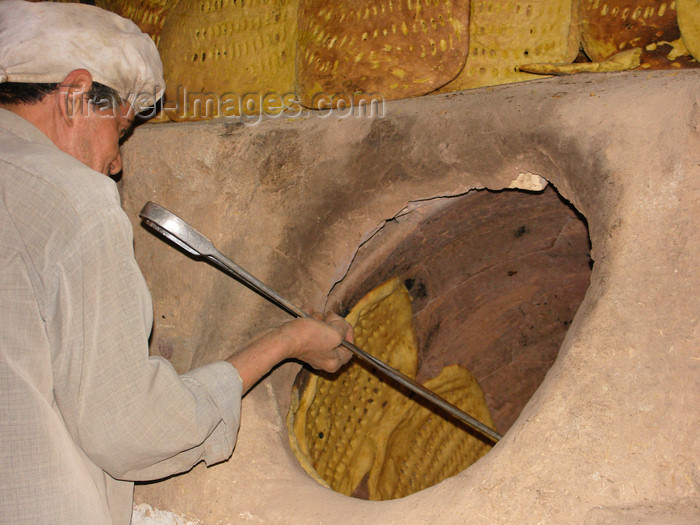
A tandoor (Azerbaijani: Təndir, Turkish: Tandır, Arabic: تنور, Punjabi: ਤੰਦੂਰ, Persian: تنور, Hindi: तन्दूर, Urdu: تندور, Bengali: তন্দূর, Armenian: Թոնիր) is a cylindrical clay oven used in cooking and baking. The tandoor is used for cooking in Azerbaijan, India, Turkey, Iran, Armenia, Pakistan, Uzbekistan, Afghanistan, the Balkans, the Middle East, Central Asia as well as Burma and Bangladesh.[
The tandoor is used for cooking certain types of Iranian, Afghan, Pakistani and Indian foods such as tandoori chicken, chicken tikka and bread varieties like tandoori roti and naan.[2] The word tandoori is the adjective meaning "pertaining to the tandoor" and is used to describe a dish cooked in a tandoor. The tandoor was popularised during Muslim reign in South Asia. It is thought to have travelled to Central Asia and the Middle East along with the Roma people, who originated amongst the Thar Desert tribes. In India, the tandoor is also known by the name of bhatti. The Bhatti tribe of the Thar Desert of northwestern India and eastern Pakistan developed the Bhatti in their desert abode, and thus it gained the name.[citation needed] The tandoor is currently a very important fixture in many Pakistani/Indian restaurants around the world. Some modern day tandoors use electricity or gas instead of charcoal
The oldest examples of a tandoor were found in the settlements of the ancient Indus Valley Civilization in Pakistan, though earlier tandoor type ovens have been recovered in early-Harappan contexts on the Makran coast, including the mound site of Balakot, Pakistan. In Sanskrit, the tandoor was referred to as kandu. The word tandoor comes from the Dari words tandūr and tannūr; these are derived from very similar terms, viz. Persian tanūr (تنور), Armenian "t’onir" (Թոնիր), Arabic tannūr (تنّور), Turkish Tandır, Azeri təndir and Kurdish tendûr (which all have the same meaning as explained in the article). However, according to Dehkhoda Persian Dictionary the word originates from Akkadian tinûru, and is mentioned as early as in the Akkadian Epic of Gilgames (as reflexed by Avestan tanûra and Pahlavi tanûr). As such, tandoor may not be originated from Semitic or Iranian altogether, dating back to periods before the migration of Aryan and Semitic people to the Iranian plateau and Mesopotamia.
http://en.wikipedia.org/wiki/Tandoor


Comment