
 Tweet
Israel, Turkey Poised to Renew Diplomatic Relations
Secret talks in Switzerland may restore ties suspended since 2010 raid on Gaza-bound aid ship
By DION NISSENBAUM
Updated Dec. 18, 2015 1:14 p.m. ET
ISTANBUL—Israel and Turkey are poised to re-establish diplomatic ties after years of tense relations, officials from both countries said Friday, a move that could renew close cooperation between two of the U.S.’s strongest allies in the region.
Top Israeli and Turkish officials met for secret talks this week in Switzerland, where they worked to complete a deal to restore relations that collapsed in 2010 after 10 people, nine Turkish citizens and one Turkish-American, were killed when Israeli commandos raided a Turkish ship carrying activists trying to break Israel’s economic blockade of the Hamas-ruled Gaza Strip.
Officials from both countries cautioned Friday that details of the agreement were still being worked out and the deal could still collapse—the two sides came close but failed to secure a similar deal in February 2014. But they said the talks offered the most promising sign that Turkey and Israel were ready to put the politically charged incident behind them.
The talks came as the international fight against the extremist group Islamic State injects news strains and transforms long-standing alliances in the region.
Russia’s intervention in the Syrian civil war has altered the battlefield and led to new efforts by Turkey, the U.S. and their allies to end the conflict and combat Islamic State.
Ankara’s close ties with Moscow unraveled last month when a Turkish jet shot down a Russian bomber carrying out airstrikes in Syria near Turkey’s border. Russia has imposed modest economic sanctions on Turkey and demanded an apology from Turkish leaders who have sought to contain the diplomatic and financial damage to their country.
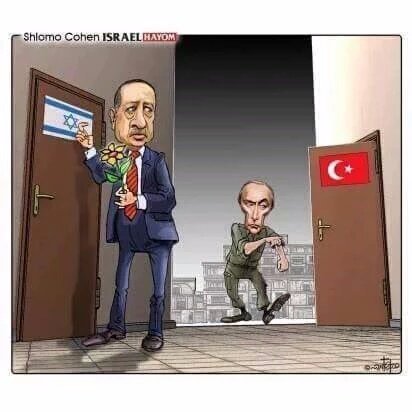
With Turkey’s relations with Russia deteriorating, Ankara has sought to mend ties with Israel and stepped up talks with the government of Prime Minister Benjamin Netanyahu, whose country could become a vital new source of natural gas for Turkey.
On Wednesday, Israel’s national security adviser, Yossi Cohen, and Joseph Ciechanover, Mr. Netanyahu’s special envoy to Turkey, met for secret talks in Switzerland with Feridun Sinirlioglu, undersecretary at Turkey’s Foreign Ministry, according to one Israeli official.
At the meeting, the official said, negotiators agreed that Israel would establish a special fund to compensate families of the victims killed in the 2010 raid on the MV Mavi Marmara. Turkey would ensure that Israeli officials are shielded from prosecution over the incident, according to details released by Israeli officials.
Ankara also would bar a top Hamas militant from entering the country to deter him from planning attacks against Israel from Turkish soil. In addition, the two sides would launch talks over a natural gas pipeline between the two countries and resume normal diplomatic relations by sending ambassadors back to their respective capitals.
Currently, Turkey gets most of its natural gas from Russia, and that access has been jeopardized by the clash between Ankara and Moscow. Talk of a new Turkey-Russia natural gas project has been shelved. The energy issue came up in Wednesday’s talks in Switzerland, the Israeli official said, where the two sides agreed to launch new discussions over the natural gas project.
That would allow Turkey to reduce its energy dependence on Russia and open up a new market for Israeli and U.S. developers of a new natural gas project off the Israeli coast.
Warmer relations between Israel and Turkey would also allow the two countries to work more closely together in the fight against Islamic State extremists who pose a danger to the two countries, which both share borders with Syria.
News of the talks came as the North Atlantic Treaty Organization took more steps to protect Turkey’s borders. NATO allies are shoring up Turkey’s air defenses, beefing up their naval presence, and sending in more aircraft for surveillance missions, an official with the alliance said Friday.
Turkish and Israeli officials said that there were still hurdles to be overcome in the talks, including how to address Turkey’s demands that Israel lift the blockade of Gaza that the activists were trying to break.
“The state of Israel has to be smart,” said Israeli Intelligence Minister Yisrael Katz. “First of all, this agreement isn’t an agreement. It is a few principles that were talked about. There are things that haven’t been concluded at all.”
The May 31, 2010, Israeli raid on six civilian ships in international waters sparked an international furor. The attack on the Mavi Marmara was captured by dramatic video that showed Israeli commandos rappelling down to the deck from helicopters as some activists tried to fight back. Nine activists were killed and a 10th died later. Turkey withdrew its ambassador to Israel and later expelled Israel’s ambassador to Turkey.
For years, Recep Tayyip Erdogan, now Turkey’s president, used the incident to stir up animosity in Turkey toward Israel.
In 2013, at the urging of President Barack Obama, Mr. Netanyahu called Mr. Erdogan, then prime minister of Turkey, to apologize. But the gesture failed to jump-start talks on restoring relations.
Earlier this week, Mr. Erdogan hinted at warming Israeli-Turkish relations, saying an agreement could be good for the region.
—Julian Barnes in Brussels contributed to this article
1. Most people are simple and are sheep who follow what their media or ruling system tells them. "Islamists" are also simple-minded individuals who go ga-ga over any fool who uses the name of holy Islam for his agenda.
On this forum itself we had a "Muslim" Brotherhood fanboy who used to revere Erdogan, Randolph85. The same fanboy who used to be a moderator but abuse members, insult their parents and close threads just because he felt like it.
2. What has happened now?
I am accused of propaganda on this forum though I deny the claims of extreme Bengali nationalists that 3 million people were killed by Pakistanis in 1971 (more likely to be 1/3 or half a million), express sadness over the death of Pakistani soldiers (as they are human beings) in arguments with super-troll Luffy etc.
The reality is unlike "Islamists" and other simple-minded fools I actually follow things in detail and look beyond the surface.
3. Erdogan is a corrupt businessman and mafia-style politician. Educated Turks in general know he is very corrupt and how his corrupt son Bilal has made millions starting off with nothing.
Beyond all the anti-Israeli rhetoric, Israel and Turkey were in bed together doing business, something simple-minded "Islamists" did not know or refused to accept.
Now that Russia is angry with Turkey, the Turks are betraying the Palestinians over gas. Israel can give them gas, so instead of just increasing their business and pretending to be enemies they are now openly trying to get closer to the Israelis.
[MENTION=17579]Loy Afghanistan[/MENTION]
Secret talks in Switzerland may restore ties suspended since 2010 raid on Gaza-bound aid ship
By DION NISSENBAUM
Updated Dec. 18, 2015 1:14 p.m. ET
ISTANBUL—Israel and Turkey are poised to re-establish diplomatic ties after years of tense relations, officials from both countries said Friday, a move that could renew close cooperation between two of the U.S.’s strongest allies in the region.
Top Israeli and Turkish officials met for secret talks this week in Switzerland, where they worked to complete a deal to restore relations that collapsed in 2010 after 10 people, nine Turkish citizens and one Turkish-American, were killed when Israeli commandos raided a Turkish ship carrying activists trying to break Israel’s economic blockade of the Hamas-ruled Gaza Strip.
Officials from both countries cautioned Friday that details of the agreement were still being worked out and the deal could still collapse—the two sides came close but failed to secure a similar deal in February 2014. But they said the talks offered the most promising sign that Turkey and Israel were ready to put the politically charged incident behind them.
The talks came as the international fight against the extremist group Islamic State injects news strains and transforms long-standing alliances in the region.
Russia’s intervention in the Syrian civil war has altered the battlefield and led to new efforts by Turkey, the U.S. and their allies to end the conflict and combat Islamic State.
Ankara’s close ties with Moscow unraveled last month when a Turkish jet shot down a Russian bomber carrying out airstrikes in Syria near Turkey’s border. Russia has imposed modest economic sanctions on Turkey and demanded an apology from Turkish leaders who have sought to contain the diplomatic and financial damage to their country.
With Turkey’s relations with Russia deteriorating, Ankara has sought to mend ties with Israel and stepped up talks with the government of Prime Minister Benjamin Netanyahu, whose country could become a vital new source of natural gas for Turkey.
On Wednesday, Israel’s national security adviser, Yossi Cohen, and Joseph Ciechanover, Mr. Netanyahu’s special envoy to Turkey, met for secret talks in Switzerland with Feridun Sinirlioglu, undersecretary at Turkey’s Foreign Ministry, according to one Israeli official.
At the meeting, the official said, negotiators agreed that Israel would establish a special fund to compensate families of the victims killed in the 2010 raid on the MV Mavi Marmara. Turkey would ensure that Israeli officials are shielded from prosecution over the incident, according to details released by Israeli officials.
Ankara also would bar a top Hamas militant from entering the country to deter him from planning attacks against Israel from Turkish soil. In addition, the two sides would launch talks over a natural gas pipeline between the two countries and resume normal diplomatic relations by sending ambassadors back to their respective capitals.
Currently, Turkey gets most of its natural gas from Russia, and that access has been jeopardized by the clash between Ankara and Moscow. Talk of a new Turkey-Russia natural gas project has been shelved. The energy issue came up in Wednesday’s talks in Switzerland, the Israeli official said, where the two sides agreed to launch new discussions over the natural gas project.
That would allow Turkey to reduce its energy dependence on Russia and open up a new market for Israeli and U.S. developers of a new natural gas project off the Israeli coast.
Warmer relations between Israel and Turkey would also allow the two countries to work more closely together in the fight against Islamic State extremists who pose a danger to the two countries, which both share borders with Syria.
News of the talks came as the North Atlantic Treaty Organization took more steps to protect Turkey’s borders. NATO allies are shoring up Turkey’s air defenses, beefing up their naval presence, and sending in more aircraft for surveillance missions, an official with the alliance said Friday.
Turkish and Israeli officials said that there were still hurdles to be overcome in the talks, including how to address Turkey’s demands that Israel lift the blockade of Gaza that the activists were trying to break.
“The state of Israel has to be smart,” said Israeli Intelligence Minister Yisrael Katz. “First of all, this agreement isn’t an agreement. It is a few principles that were talked about. There are things that haven’t been concluded at all.”
The May 31, 2010, Israeli raid on six civilian ships in international waters sparked an international furor. The attack on the Mavi Marmara was captured by dramatic video that showed Israeli commandos rappelling down to the deck from helicopters as some activists tried to fight back. Nine activists were killed and a 10th died later. Turkey withdrew its ambassador to Israel and later expelled Israel’s ambassador to Turkey.
For years, Recep Tayyip Erdogan, now Turkey’s president, used the incident to stir up animosity in Turkey toward Israel.
In 2013, at the urging of President Barack Obama, Mr. Netanyahu called Mr. Erdogan, then prime minister of Turkey, to apologize. But the gesture failed to jump-start talks on restoring relations.
Earlier this week, Mr. Erdogan hinted at warming Israeli-Turkish relations, saying an agreement could be good for the region.
—Julian Barnes in Brussels contributed to this article

1. Most people are simple and are sheep who follow what their media or ruling system tells them. "Islamists" are also simple-minded individuals who go ga-ga over any fool who uses the name of holy Islam for his agenda.
On this forum itself we had a "Muslim" Brotherhood fanboy who used to revere Erdogan, Randolph85. The same fanboy who used to be a moderator but abuse members, insult their parents and close threads just because he felt like it.
2. What has happened now?
I am accused of propaganda on this forum though I deny the claims of extreme Bengali nationalists that 3 million people were killed by Pakistanis in 1971 (more likely to be 1/3 or half a million), express sadness over the death of Pakistani soldiers (as they are human beings) in arguments with super-troll Luffy etc.
The reality is unlike "Islamists" and other simple-minded fools I actually follow things in detail and look beyond the surface.
3. Erdogan is a corrupt businessman and mafia-style politician. Educated Turks in general know he is very corrupt and how his corrupt son Bilal has made millions starting off with nothing.
Beyond all the anti-Israeli rhetoric, Israel and Turkey were in bed together doing business, something simple-minded "Islamists" did not know or refused to accept.
Now that Russia is angry with Turkey, the Turks are betraying the Palestinians over gas. Israel can give them gas, so instead of just increasing their business and pretending to be enemies they are now openly trying to get closer to the Israelis.
[MENTION=17579]Loy Afghanistan[/MENTION]



Comment