
 Tweet
Iraq is going through serious instability, with the so-called "ISIL" (Ad-Daesh in Arabic, "Al-Dawla Islamiya fil 'Iraq wa-Shaam") capturing territory in the north.
1. If the ISIL keep control of Sunni areas of Iraq and remove the tenuous control of the Shia-dominated Baghdad government then a de facto Sunni state emerges in addition to the de facto Kurdish state in Iraq.
Iraq would in effect be partitioned.

2. The problem does not lie in just that but also in the fact that this new state is controlled by radicals/militants or "jihadists".
They may then engage in a long-term war with the Shias in the region in the form of Iraq (Baghdad government) and Iran.
- Saudi Arabia and the GCC would be happy to fund Sunni Iraqis to weaken Iran and the Shia.
3. These are the possible consequences for the region.
Turkey: loser
- Turkey is a loser as there is now a nascent Kurdish state in Syria which would merge with the Kurdistan in Iraq. Turkey has historically opposed Kurdish nationalism and a Kurdish state in the middle east would weaken Turkish nationalism, as Turkey will have to give greater rights to the Kurds within Turkey to placate them.
Also if Salafists increase their power in the middle east this weakens Turkey as Salafists are an Arabo-centric/Arabophilic movement with less interest in the Ottoman state or Turkophilia, which Turkey seeks to encourage.
In other words Salafism is a type of Arab nationalism not Ottomanophilia as per Turkey's wishes.
Iran: Loser
- Kurds would be stronger, not something Tehran wants as its has millions of Kurds in the part of Kurdistan that it occupies.
- A Salafist-dominated Sunni state in central Iraq would be a Saudi/GCC proxy state to weaken Iran and Syria.
- Tehran has painful memories of its long war with Saddam and would not want a repeat of that with Sunni militants from Iraq repeating what Saddam did and fighting Iran.
Saudis/GCC
- Saudis like to use proxies to fight their wars as their own armed forces are poor, they will be happy to use Sunni militants to weaken Iran.
- These militants may one day turn against the GCC.
- If the situation deteriorates, Kuwait, Saudi and Bahrain may experience greater unrest from their Shias. Shias are a majority in Bahrain, 1/3 in Kuwait and are a majority in parts of eastern Saudi Arabia.
Syria: losers
- The Iraqi government has been an ally of the Syrian government, if Iraq is de facto partitioned it is not good for the Syrians.
- If Syria's ally Iran is weakened pouring resources to contain ISIL that means less support for Syria.
Kurds: winners
Undoubtedly the biggest winners of all this. The long suffering Kurds have an economically vibrant state in northern Iraq, have a new statelet in Syria, are increasing their power in Turkey where they are even 1/4 of some western cities such as Izmir.
However they have little power in Shia-dominated Persian nationalist Iran where all non-Shias/Persians (excluding Azeri) are under the Persian/Shia yoke.
Wider region
- Egypt: Bad news for them as the government hates radicalism and fundamentalism. The Egyptians want stability.
The Nasserite Egyptian military naturally supports the Baathist Syrian government as they both share the secular pan-Arab Republican ideology.
- Algeria: Second largest Muslim country on earth in terms of territory and until over 20 years ago was the biggest Muslim country in the world. The Algerian military that rules Algeria like the Egyptians and Syrians shares the same secular pan-Arab Republican ideology and is against fundamentalism.
- Indonesia: Would not want instability in the middle east, would want peace to prevail.
- Malaysia: The same as Indonesia.
- Bangladesh: The same as regional neighbours Malaysia and Indonesia, would not want instability or fundamentalism though Bangladesh is reliant on a stable and peaceful GCC.
If the GCC suffers instability Bangladesh with its 4 million workers there sustaining the economy back in Bangladesh would be devastated.
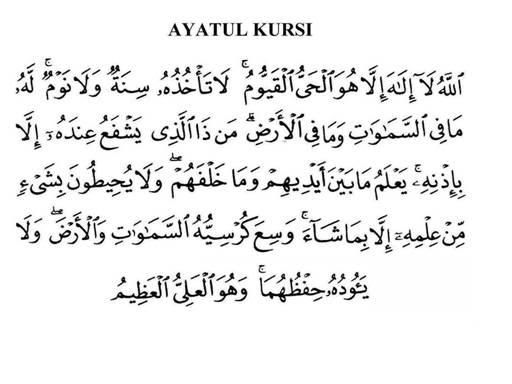
We make du'a for peace to prevail in 'Iraq.
1. If the ISIL keep control of Sunni areas of Iraq and remove the tenuous control of the Shia-dominated Baghdad government then a de facto Sunni state emerges in addition to the de facto Kurdish state in Iraq.
Iraq would in effect be partitioned.
2. The problem does not lie in just that but also in the fact that this new state is controlled by radicals/militants or "jihadists".
They may then engage in a long-term war with the Shias in the region in the form of Iraq (Baghdad government) and Iran.
- Saudi Arabia and the GCC would be happy to fund Sunni Iraqis to weaken Iran and the Shia.
3. These are the possible consequences for the region.
Turkey: loser
- Turkey is a loser as there is now a nascent Kurdish state in Syria which would merge with the Kurdistan in Iraq. Turkey has historically opposed Kurdish nationalism and a Kurdish state in the middle east would weaken Turkish nationalism, as Turkey will have to give greater rights to the Kurds within Turkey to placate them.
Also if Salafists increase their power in the middle east this weakens Turkey as Salafists are an Arabo-centric/Arabophilic movement with less interest in the Ottoman state or Turkophilia, which Turkey seeks to encourage.
In other words Salafism is a type of Arab nationalism not Ottomanophilia as per Turkey's wishes.
Iran: Loser
- Kurds would be stronger, not something Tehran wants as its has millions of Kurds in the part of Kurdistan that it occupies.
- A Salafist-dominated Sunni state in central Iraq would be a Saudi/GCC proxy state to weaken Iran and Syria.
- Tehran has painful memories of its long war with Saddam and would not want a repeat of that with Sunni militants from Iraq repeating what Saddam did and fighting Iran.
Saudis/GCC
- Saudis like to use proxies to fight their wars as their own armed forces are poor, they will be happy to use Sunni militants to weaken Iran.
- These militants may one day turn against the GCC.
- If the situation deteriorates, Kuwait, Saudi and Bahrain may experience greater unrest from their Shias. Shias are a majority in Bahrain, 1/3 in Kuwait and are a majority in parts of eastern Saudi Arabia.
Syria: losers
- The Iraqi government has been an ally of the Syrian government, if Iraq is de facto partitioned it is not good for the Syrians.
- If Syria's ally Iran is weakened pouring resources to contain ISIL that means less support for Syria.
Kurds: winners
Undoubtedly the biggest winners of all this. The long suffering Kurds have an economically vibrant state in northern Iraq, have a new statelet in Syria, are increasing their power in Turkey where they are even 1/4 of some western cities such as Izmir.
However they have little power in Shia-dominated Persian nationalist Iran where all non-Shias/Persians (excluding Azeri) are under the Persian/Shia yoke.
Wider region
- Egypt: Bad news for them as the government hates radicalism and fundamentalism. The Egyptians want stability.
The Nasserite Egyptian military naturally supports the Baathist Syrian government as they both share the secular pan-Arab Republican ideology.
- Algeria: Second largest Muslim country on earth in terms of territory and until over 20 years ago was the biggest Muslim country in the world. The Algerian military that rules Algeria like the Egyptians and Syrians shares the same secular pan-Arab Republican ideology and is against fundamentalism.
- Indonesia: Would not want instability in the middle east, would want peace to prevail.
- Malaysia: The same as Indonesia.
- Bangladesh: The same as regional neighbours Malaysia and Indonesia, would not want instability or fundamentalism though Bangladesh is reliant on a stable and peaceful GCC.
If the GCC suffers instability Bangladesh with its 4 million workers there sustaining the economy back in Bangladesh would be devastated.
We make du'a for peace to prevail in 'Iraq.






Comment