Announcement

Collapse
No announcement yet.

Turks attack Bangladeshi embassy.......lira falls to record low

Collapse
X
 
  • Filter
  • Time
  • Show
Clear All
new posts

  • #61
    400 critics of Erdogan expected to be arrested, says Twitter user

    Tweets from 'Fuatavni' are taken seriously by officials
    EMILY CASSWELL ISTANBUL Thursday 11 December 2014


    As many as 400 critics of Turkish President Recep Tayyip Erdogan are expected to be arrested today in sweeping raids across the country after a well-known but anonymous Twitter user, who is thought to be a government official, warned his followers of the imminent raids.

    ‘Fuat Avni’ who uses the @Fuatavnifuat Twitter handle sent a message to his 104,000 followers yesterday afternoon, warning that “Tomorrow there will be an operation!” Embedded in the Tweet was a link to a website that named 400 people, including 147 journalists from newspapers known to be critical of Mr Erdogan and his governing Justice and Development party (AK). The website said everyone on that list would be taken into custody.

    Tweets from ‘Fuatavni’ are taken seriously by officials. The whistleblower is thought to be among the government’s inner circle and has made reliable predictions about police operations since last year’s so-called ‘17 December’ scandal, which rocked Turkish politics.


    On the morning of 17 December 2013, news surfaced that several high-profile businessmen and family members of three MPs had been arrested. In the following weeks, more details came out alleging then Prime Minister Erdogan’s personal connections with corruption cases. Months later, an audio file was shared online that was alleged to be a conversation between Mr Erdogan and his son telling him to get rid of $30m. The government refused to give credence to the allegations, claiming they were orchestrated by the “parallel state” as part of an attempted coup.


    ‘Fuat Avni’ said this morning’s arrests are in response to the 17 December scandal, since which, numerous high level bureaucrats and businessmen have been implicated. A raid on the home of head of Halk Bank, Suleyman Arslan, found $4.5m hidden in shoeboxes. Mr Arslan denied any wrongdoing.

    This morning’s raids are expected to take place in Istanbul, Ankara and Malatya. Those on the list include editors of Zaman and Today’s Zaman – newspapers affiliated to the Hizmet movement. Mr Erdogan – who denies all the allegations – has described the scandal as an attempted coup by Hizmet.
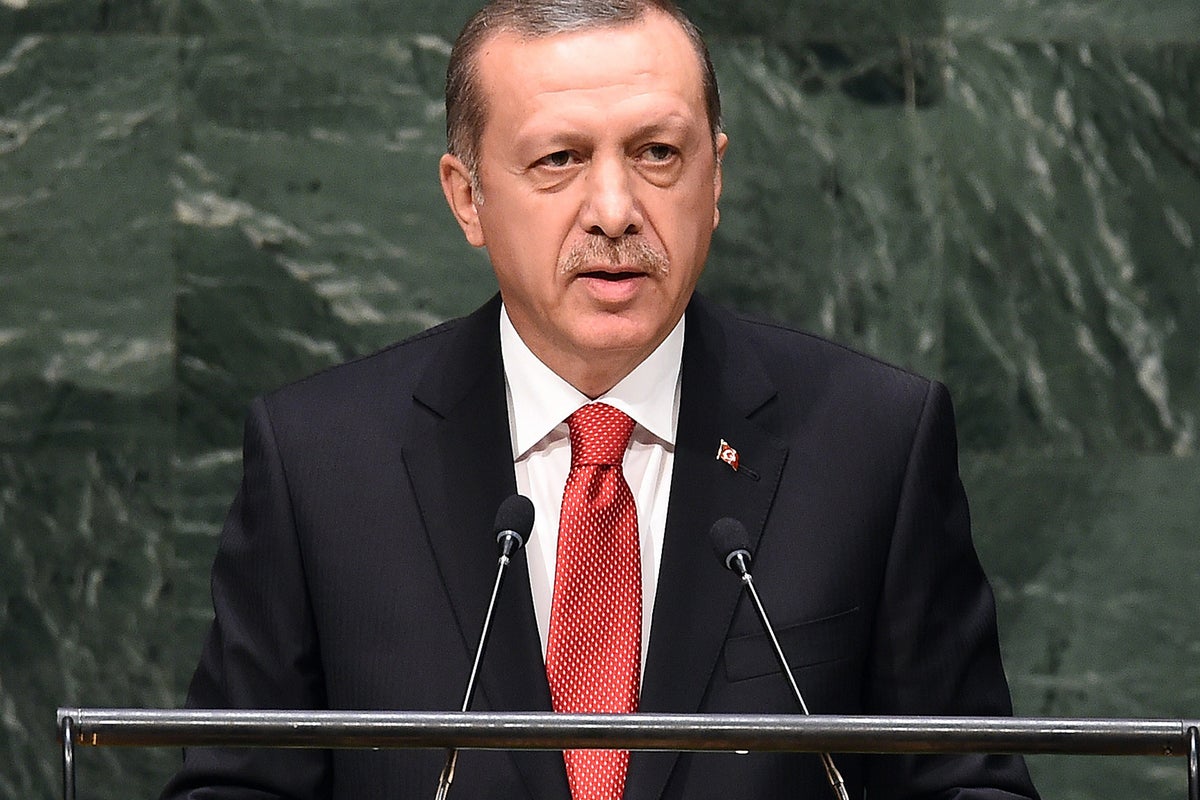


    1. Criticize Erdogan and you could end up in prison.


    2. Turkey can no longer be considered a proper democracy (not that it ever was).


    Rumours that Erdogan will arrest 400 anti-regime opponents including over 100 journalists.
    * * * * * * * * * * * * * * * * * * * * * * *

    Comment


    • #62
      Turkish lira hits all-time low as Erdogan takes EU to task

      Daniel Dombey in Istanbul and Christian Oliver in Brussels


      The Turkish lira hit an all-time low against the dollar on Monday, after President Recep Tayyip Erdogan traded barbs with the EU over Turkey’s detention of high profile media figures.

      The currency weakened below TL2.39 to the dollar - a 4 per cent fall on the day and past lows previously charted in January, before recovering marginally to TL2.376 in late evening trading.


      “As we take such steps [as the arrests], we are not concerned about what the EU would say [or] if it accepts us or not,” Mr Erdogan said in response to EU criticism that the raids violated European values. “We can lift ourselves up on our own; please keep your advice for yourself.”

      The International Monetary Fund and other international organisation have long warned that the Turkish economy is vulnerable to external and internal shocks - and to a fall in foreign financing.

      Because of its substantial current account deficit and the lack of a lira-denominated long-term debt market, the country - notably the corporate sector - needs more than $200bn of foreign financing a year - more than a quarter of gross domestic product - to maintain its current level of growth.
      Ozgur Altug, an economist at BGC Partners in Istanbul, said that the detentions and reaction to them were likely to have played a role — together with general emerging market weakness — in the lira’s fall.

      Mr Erdogan was speaking amid broad international criticism — from the US, the Council of Europe and several non-governmental organisations — over the detention on Sunday of the editor of Turkey’s top-selling newspaper and the head of a television network.

      The arrests were the latest front in the furious battle between the Turkish leader and the movement of Fethullah Gulen, an Islamic ally-turned-enemy with whom both the targeted media outlets are affiliated.
      In a statement issued on Sunday by Federica Mogherini, the EU foreign policy chief, and Johannes Hahn, the bloc’s enlargement commissioner, the EU had labelled the arrests “incompatible with the freedom of media, which is a core principle of democracy”, and added that “any further step towards [EU] accession . . . depends on the full respect for the rule of law and fundamental rights”.

      Although Turkey’s EU membership bid has been all-but-moribund for several years, neither side wants to suspend the process formally and the crisis in the Middle East has increased EU trade as a percentage of Turkey’s total commerce, confirming the bloc as Ankara’s biggest trading partner by far.
      The EU also accounts for over three quarters of foreign direct investment in Turkey.

      EU leaders are keen to maintain ties with Ankara — not least to bolster co-operation on the crisis in Syria and to counter the rise of the jihadi Islamic State of Iraq and the Levant, known as Isis. Brussels officials still hope to open a new negotiating chapter with Ankara next year, covering economic and monetary policy, an area France had previously blocked.
      But officials may face a challenge in keeping such an initiative separate from the response to Turkey’s arrest of media figures.
      Ms Mogherini said on Monday she was very surprised by Mr Erdogan’s remarks as she had sensed a renewed appetite for engagement with the EU on a trip to Ankara last week.
      “It was members of the government that were telling that us the EU path for Turkey was not so much about economic interests as about values and principles, starting from democracy and rule of law,” she said.”And so I believe that it is in the Turkish interest, first of all, to be consistent with this commitment.”


      - Erdogan has arrested 27 people who are linked to US-based Turkish nationalist writer, Fethullah Gulen.

      Gulen styles himself as an "Islamic" writer but his movement are Turkish nationalists albeit with a religious component and are essentially anti-Arab.


      * * * * * * * * * * * * * * * * * * * * * * *

      Comment


      • #63
        Though I don't like Erdogan, I only have one single problem with him.

        That problem is his support for the Jamaati "Islami" terrorist organization in Bangladesh and his attempts to bully Bangladesh.

        Other than that I would support him over:

        - Fethullah Gulen: Turkish nationalist "religious" writer, who is anti-Arab and whose movement believe in the ethnic superiority of Turks over other Muslims.

        - Kemalist basta*ds: Who carried out horrific war crimes against Kurds.

        These Kemalists are far more vicious, cruel and evil than Erdogan who is a dove compared to them. Erdogan doesn't run torture cells like they do, force people to eat human excrement, ethnically cleanse 3 million Kurds or other horrific Nazi-like war crimes like the Kemalists did.


        Yasar Buyukanit, Kemalist basta*d and war criminal who is free and roaming around Turkey. A fanatical Kemalist general who held senior positions in the Kemalist Turkish army when horrific war crimes were being carried out.


        Ilker Basbug, another Kemalist dog and war criminal who is wandering around Turkey off the leash rather than being in prison where he belongs. Buyukanit, Basbug and other Kemalist mafia gangsters and thugs are all far more evil, brutal and wicked than Erdogan and belong in prison.


        If Erdogan ends his war against Bangladesh and accepts that Bangladesh is a sovereign country and that Jamaat e "Islami" are a terrorist organization that must be banned in Bangladesh and also Turkey, I will support him.

        So if Erdogan and his regime respect Bengalis as a people and a nation who helped them during their war of independence in the 1920s rather than support Saudi-backed fundamentalist terrorists, Jamaat e "Islami" against our people, I will support him against the vicious Kemalists and the Gulenists.


        Erdogan. The west can bankrupt Turkey and turn people against him and ensure his removal. He might be imprisoned or even murdered by the brutal and bloodthirsty Kemalists. Erdogan and his regime need to cool it with their anti-Bangladeshi policies.
        * * * * * * * * * * * * * * * * * * * * * * *

        Comment


        • #64
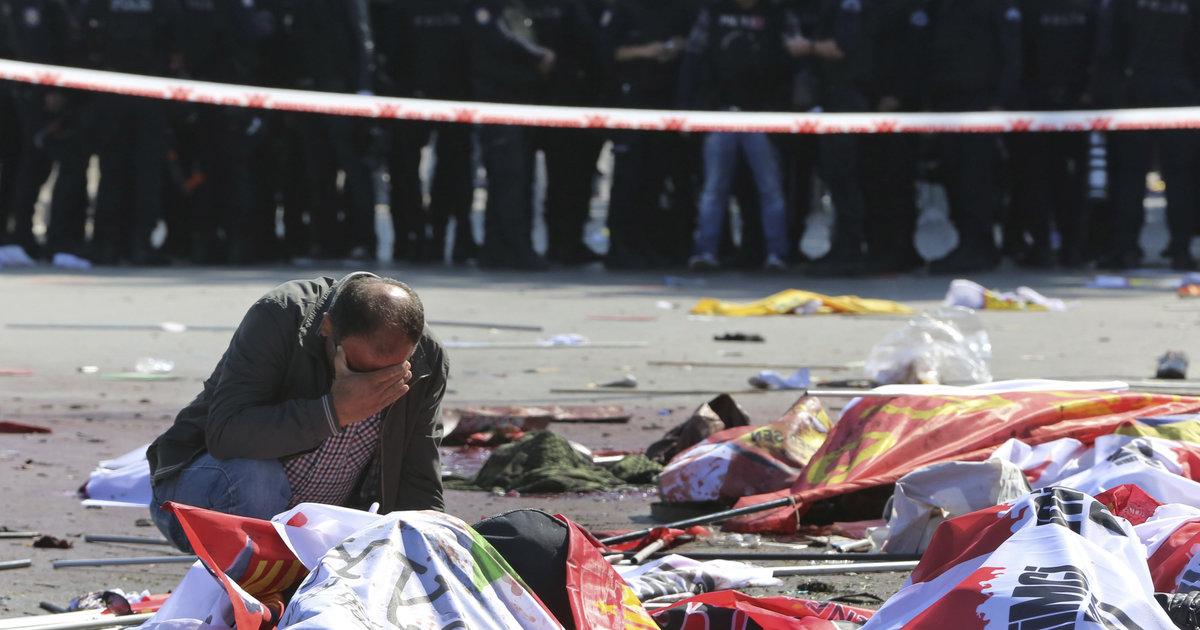
          Ankara attacks: Turkey in mourning after blasts kill almost 100


          Turkey is beginning three days of mourning after two blasts at a peace rally in the capital, Ankara, killed at least 95 people on Saturday, the deadliest ever such attack in Turkey.

          The attack left 245 people injured, with 48 of them in a serious condition.
          TV footage showed scenes of panic and people lying on the ground covered in blood, amid protest banners.

          The government called the blasts a "terrorist act" and angrily rejected allegations that it was to blame.


          Prime Minister Ahmet Davutoglu said there was evidence that two suicide bombers had carried out the attack, which comes three weeks before a re-run of June's inconclusive parliamentary elections.


          The blasts took place near the city's central train station as people gathered for a march organised by leftist groups demanding an end to the violence between the Kurdish separatist PKK militants and the Turkish government.
          The two explosions happened shortly after 10:00 as crowds gathered ahead of the rally. Amateur video footage showed a group of young people holding hands and singing, as the first blast hits.

          No group has said it carried out the attack, but Mr Davutoglu suggested that Kurdish rebels or the Islamic State (IS) group were to blame.
          Terrorism experts have said the attack is similar to one that was carried out in Suruc in southern Turkey by IS in July in which 30 people died, says the BBC's Selin Girit in Ankara.

          Thousands gather in Turkey's capital, Ankara, to pay tribute to the victims of Saturday's bomb blasts which killed at least 95 people.


          PM condemns Ankara bomb attacks


          Prime Minister Sheikh Hasina has strongly condemned the twin terrorist bomb attacks in Ankara, Turkey, and reiterated that Bangladesh denounces terrorism in all its forms and manifestations.


          In a condolence message sent to Turkish Prime Minister Professor Dr Ahmet Davutoglu, Sheikh Hasina said: "It is a matter of deep sorrow and great concern that 86 Turkish people were killed and more than 186 were injured due to twin terrorist bomb attacks in Ankara on Saturday."

          "I express my deepest condolences and heartfelt sympathies to you and through you to the bereaved family members of the victims as well as all the Turkish brethren for this tragic incident. We strongly condemn the barbaric and cowardly terrorist attacks," she said.

          The prime minister said: "The people of Bangladesh join me in expressing their solidarity in your fight against terrorism in the country and beyond."

          Sheikh Hasina said Bangladesh denounces terrorism in all its forms and manifestations and my government has been pursing "zero tolerance" policy towards terrorism. "We reaffirm our government's commitment to work together with the Republic of Turkey and the world community to fight against this menace," she said.

          "We pray for the eternal peace of the departed souls. May the Almighty give the members of the bereaved families the courage and fortitude to overcome the irreparable loss," she said.

          - See more at: http://www.dhakatribune.com/banglade....zMSYVSWL.dpuf


          1. Hasina has no self-respect. The Turks attacked our embassy (Turkish nationalist groups and "Islamists" have lots of enemies, but their embassies are hardly attacked e.g. Armenia, France, Russia but they picked us as we are a "soft target"). She should have just stuck to a foreign ministry statement at most.

          When have the Turks shown sympathy for Bangladesh?


          2. In about three weeks time there will be elections again in Turkey, there are rumours that if Erdogan loses he may flea the country and go to Italy or Dubai.

          I doubt he will lose.

          However if he does and he escapes from Turkey I personally will be very happy to see this bas*ard get what he deserves.


          My condolences to the families of those who died in Ankara. I am a human being and not some AKP/"Muslim" brotherhood animal, so I understand human suffering.
          * * * * * * * * * * * * * * * * * * * * * * *

          Comment


          • #65


            Veiled women detained, handcuffed spark public outcry in Turkey


            Turkish police carried out simultaneous raids on 35 locations in the western Turkish town of Manisa on Nov. 10 to detain suspects of the “parallel state.” The 26 detainees included lawyers and educators, but what really caught the attention of the media were the photos of two young handcuffed women wearing headscarves.

            Summary The latest controversy in Turkish society places people either in favor of or against the Justice and Development Party, in the ongoing fight of the "parallel state."

            Author Riada Ašimović Akyol

            Posted November 19, 2015

            The operation was authorized by the Manisa public prosecutor, which targeted the movement of cleric Fethullah Gulen on “reasonable suspicion.” (Since the legal amendments of December 2014, it is possible for the authorities to detain anyone on “reasonable suspicion” without the need for firm evidence.) Such procedures in Turkey are controversial as they are measures that greatly facilitate the much-discussed war on the Gulen movement, which is accused of forming a so-called parallel state. But last week’s images of handcuffed headscarf-wearing women rekindled other ghosts from the past. For decades, the headscarf has been a highly controversial political symbol in Turkey. Veiled women were demonized and marginalized by the secularist authoritarian regime under the tutelage of the military. Meanwhile, the conservative and Islamist camp, politically represented by the Justice and Development Party (AKP), idealized the headscarf as the symbol of moral, virtuous — and of course law-abiding — women. So, the handcuffing of women wearing headscarves under the rule of the AKP government, and in an AKP-led “witch hunt,” raised many questions.

            The images of headscarved women in handcuffs were quickly circulated in the traditional media and on social networking sites, sparking a public outcry from various sides. Police officers who participated in the operation were blamed for acting against the legal procedures for the detention of suspects, as handcuffs generally are to be placed on suspects only when they try to escape, harm themselves or others. Prime Minister Ahmet Davutoglu ordered an investigation and said, “Regardless of the content of the probe, required sensitivity should be displayed on the issue of safeguarding everybody’s rights within the framework of the procedures in the law.” On Nov. 11, the Interior Ministry announced that Manisa Police Chief Tayfur Erdal Ceren had been suspended.

            Sympathizers of and media outlets close to the Gulen movement were generally outraged at the latest manifestations of the “hate campaign” against them. For example, Ekrem Dumanli, the former editor of daily Zaman, called handcuffs “a symbol of oppression, tyranny and cruelty.” He drew importance to the headscarf — an otherwise irrelevant factor in detention — in this situation by stating, “It is significant in that this is an administration that grabs every chance it can to talk about the treatment that our ‘headscarved sisters’ deserve.” Some critics on social media also contrasted the images in Manisa to one where a leading Islamic State suspect and his wife were taken into police custody Aug. 7 in Turkey's western Anatolian province of Manisa — without any handcuffs.

            Even former Deputy Prime Minister and parliament Speaker Bulent Arinc, one of the founders of the AKP, harshly criticized the police action. “It's unlawful to carry out police raids on the houses and offices of these people without notice, as if they are members of a terrorist organization.” The chairwoman of the Turkish Women's Associations Federation, Canan Gullu, said, “It's wrong to treat her like this before her guilt is proven. What everybody needs to do is abide by the law and avoid politicizing it.” Ozgur Ozel, the Manisa Republican People's Party deputy, indicated the situation was turning “the law into a tool of vengeance.”

            Moreover, several renowned headscarved columnists, even though their papers are close to the government and have merciless editorial lines for anyone or anything related to the “parallel state,” united against the unjust treatment of the detained women. Still, one of them, Sibel Eraslan — who writes for pro-government daily Star and who spent 25 years in defending the rights of women who wear the headscarf, herself included — tacitly called out the Gulen movement sympathizers for consciously emphasizing the headscarf of detained women. Pointing a finger at “social media experts,” she wrote, “It is a dirty method. Playing with our sensitivities. Mocking our wounds. … Are the creators of this mindset aware that they are torpedoing the possibility for creating mercy and compassion?”

            The debate took a new turn Nov. 12, when Manisa Gov. Erdogan Bektas explained why the police chief had been suspended. Bektas said, “The placing of somebody who has not been proven guilty of any offense … especially of women wearing headscarves who have a very positive image in society, has been met with sadness at every level.” This time, the governor’s statement triggered a new wave of uproar due to his language that insinuated that those women who do not wear headscarves could be perceived as inherently more suspicious than those wearing a headscarf. Such logic is the reversal of the exact opposite mentality of Turkey’s authoritarian secularists who violated the basic human rights of headscarved women in the past. Many praised Davutoglu, who swiftly and firmly reacted to Bektas' words, saying Bektas “went beyond his intent,” and asserting that the state guarantees the rights and honor of each and every citizen. Bektas apologized Nov. 13 for his remarks. He said, "I apologize to all citizens, especially to women, for [my] use of inappropriate language."

            As the result of last week’s brouhaha, the detained — including three who were referred to the court — were set free. The two women were released Nov. 11 after giving statements to police, although they underwent a medical examination at the Manisa State Hospital on Nov. 12, without handcuffs.

            In its symbolism, this incident signals ambivalent perceptions of the headscarf in Turkey. On the one hand, some officials within the ruling government praise the good morals of women wearing the headscarf, while on the other hand the same government officials give orders to arrest those headscarved women who are perceived as the enemy of the state. This confusion is taking place because the rift between the AKP and the Gulen movement has also surpassed the usual conservative-secularist division on the headscarf issue. The newest fissure in Turkish society places people on a side fully for or against the ruling party, regardless of sex, religion or appearance. And the struggle for nonpoliticized equal treatment for everyone before the law continues, all women and men included, whatever they may be wearing.


            Read more: http://www.al-monitor.com/pulse/orig...#ixzz3s10wfnSr


            1. "Islamists" of the "Muslim" Brotherhood sort support the Erdogan regime, though they know very little about Turkey e.g. Turkey's increased business with Israel whilst he fools simple-minded "Islamist" fools (including some of the thugs, Taliban-supporters, Brotherhood supporters on this forum) with his anti-Israel rhetoric.

            2. As these Brotherhood fanatics are ignorant and just follow emotion, symbols and slogans they would be totally unaware of the intra-"Islamist" war in Turkey between the AKP (Milli Gorus) and the Gulenists.

            The headscarved women arrested were Gulenist supporters, hated by the AKP regime.


            3. In Bangladesh, pro-Pakistan "Islamists" used images of female members of Jamaat e Islami being arrested as "Muslim women being arrested in Bangladesh" i.e. as part of their propaganda against Bangladesh, ignoring the fact that millions of women in Bangladesh wear Hijab (including supporters of the ruling Awami League) and this was specifically for members of a radical militant organisation.


            Controversial pro-Pakistan Jamaat supporter, Salman Al Azami, who is widely hated in Bangladesh as a liar, propagandist. Azami went on Turkish TV to promote anti-Bangladeshi propaganda.

            As a Muslim I deplore Turkey's extreme racism against Kurds (Kurds have been beaten even killed meanly for speaking Kurdish, 3,000 Kurdish villages have been destroyed) and historic Islamophobia e.g. killing of scholars under dictator and war criminal Mustafa Kemal and suppression of women with headscarves.

            Shame on Turkey!
            Shame on Erdogan!
            * * * * * * * * * * * * * * * * * * * * * * *

            Comment


            • #66
              Turkish lira among top 5 losers against US dollar in 2015

              December 21, 2015, Monday/ 15:49:43/ TODAY'S ZAMAN WITH REUTERS / ISTANBUL

              The Turkish lira sustained the fifth biggest loss against the US dollar among 20 emerging national currencies, having fallen by 20 percent, data from separate market track records have revealed.
              With a 26.8 percent drop against the US dollar, Argentina's peso was 2015's worst performer among exchange rates tracked by Reuters. The Brazilian real, South African rand and Turkish lira followed in its wake, with declines of 31.8 percent, 23.2 percent and 20 percent, respectively. The lira went from 2.22 to the dollar in October of last year to above 3.0 a year later, before slightly recovering in recent weeks.
              Amid almost year-long political uncertainty coupled with global market expectations for the US Federal Reserve to hike interest rates, the lira weakened remarkably in 2015 against the greenback and market experts estimate the currency might lose another 9 percent by November 2016, to 3.15. Investors have watched closely the political meddling in such independent institutions as the central bank and the banking supervision agency while major ratings agencies reiterated calls for long-standing market reforms. The lira dropped to a record low of 3.075 in September, reflecting investor unease over lingering political pressure on markets. Among all odds in world markets and the political turmoil in the surrounding region, Turkey's domestic issues trumped all concerns in 2015.
              The country exerted most of its energy on establishing a new government while struggling to contain its Kurdish issue that flared once again in the Southeast. Turkish markets could see even more volatility as President Recep Tayyip Erdoğan shows no sign of dropping a bid to change the Constitution to create an executive presidential system, observers warn. It will be crucial to see if Erdoğan's frequent tirades against high interest rates will continue, especially after the 0.25 percentage point rate hike by the Fed. Erdoğan is equating higher financing costs with treason while economists say Turkey's central bank needs to hike rates to rein in inflation. Turkey's annualized consumer prices rose 8.1 percent year-on-year in November. Annual core inflation also rose to the 2015 peak of 9.22 percent year-on-year in November, reflecting the depreciation of the lira.
              The troubled lira makes Turkey's structural problems such as persistently high unemployment, low growth rates, disappointing tourism figures and weakened consumer confidence even more painful for the country.
              One critical detail is that emerging market companies with debt in US dollars and revenue in sinking currencies could struggle as the Fed has now ended years of easy money policies for these countries.
              Further devaluation in the lira could deal an enormous blow to Turkish private and public companies under the growing burden of long-term debts denominated in the greenback. Global market observers have earlier warned that some emerging market companies may be forced to sell assets and others to default in 2016 while Turkish businesses -- especially in commodities and energy -- could be among these.
              The dollar's rise against the lira also threatens Turkey's mega projects, experts have earlier warned. Most of Turkey's mammoth developmet projects -- including the $10 billion third İstanbul airport and the $6 billion İzmit Bay Bridge -- are tied to the dollar and have grown increasingly more expensive.


              1. The Lira was falling even before the Russian sanctions on Turkey.

              Turkey has also lost billions in lost trade with Syria due to the war there where it has been sponsoring ISIS Wahabis against the Syrian regime.


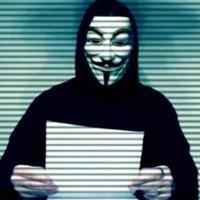
              2. Anonymous have hacked Turkish websites due to Turkey's support for ISIS. Around 0.4 million websites have suffered.

              Hacking collective Anonymous has claimed responsibility for the week-long cyberattack on Turkey, which it accused of “supporting” the jihadist Islamic State of Iraq and the Levant (ISIL), and threatened additional attacks in case the alleged support continues...Turkish IT professionals in response banned access to the DNS from abroad and communication channels were re-opened when the cyberattack first started. Around 400,000 websites, however, were denied access from abroad.
              Hacking collective Anonymous has claimed responsibility for the week-long cyberattack on Turkey, which it accused of “supporting” ISIL


              3. Turkey's south-east is becoming a war zone amidst speculation Turkey is heading towards becoming the next Syria.

              There are claims 0.2 million people have fled Turkey's south-east.

              200,000 Kurds fleeing Turkey's south-east.


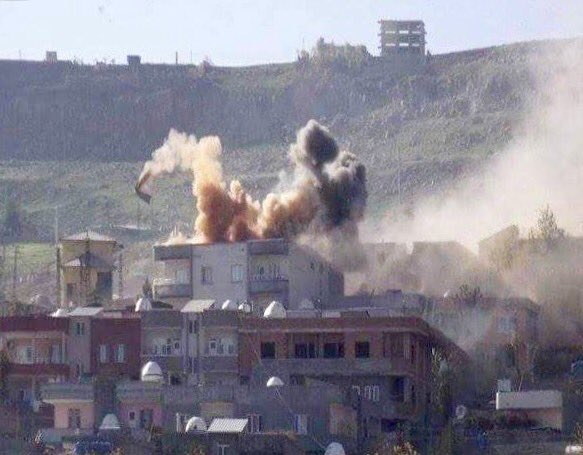
              Turkey’s Kurdish Cities Become War Zones

              ISTANBUL—Turkey’s stepped-up military campaign to crush Kurdish insurgents has reduced some urban neighborhoods in the southeast of the country to battle zones, raising fears the conflict could escalate and spread elsewhere in the country unless peace talks resume.

              Since the government last week declared what it called a “decisive” campaign to end five months of limited violence between Kurds and government security forces, young Kurdish militants in the cities of Diyarbakir, Cizre, Silopi and Nusaybin have been targeted by Turkish tanks, helicopters, artillery and snipers, according to local residents and news reports from the region.

              Wall Street Journal Link.


              Diyarbakir.


              Cizre.


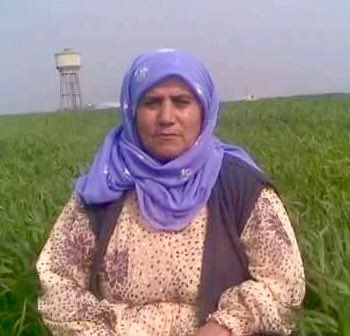
              57 year old Kurdish woman said to be killed by Turkish state forces in Cizre recently.


              Cizre, alleged use of tanks against Turkish civilians (of Kurdish origin) by Turkish forces.

              Military power against civilians.


              Cizre, parts of Turkey have become a war zone with an alleged 0.2 million people fleeing the south-east.


              Comment:

              Turkey must stop killing innocent Kurdish civilians in the south-east as well as sponsoring radical terrorists in Syria. There is definitely international concern about Turkey's actions in the south-east especially given a historical background of what is virtually a form of genocide against the indigenous Kurdish peoples of this region including the destruction allegedly of 3,000 villages in the 1980s and making maybe as much as 3 million people refugees as well.

              The fundamental cause of all this is the adoption of French-based neo-Jacobinism i.e. Kemalism which insisted on a mono-linguistic Turkey as per the French model. This French model was viewed by Turks almost as divine revelation which had to be implemented, thus a program of cultural and linguistic genocide was enacted against Kurds resulting in this current crisis.

              Turkey has made strides in this conflict with the weakening of the fascist Turkish military but more most be done as war criminals such as Yasar Buyukanit, Ilker Basbug and Isik Kosaner are still at large and not in prison where they are supposed to be, and on top of that the likes of Basbug are pontificating, though he is a brutal war criminal.


              Isik Kosaner, a fascist Kemalist general who was former army leader. He ordered a Turkish pilot to fly dangerously close to a mosque almost scraping a minaret in a gesture of intimidation against Erdogan when he was army chief. The fascist Turkish army was until recently known for its profound hatred of Islam.

              If Turkey does not solve the Kurdish crisis in a peaceful way then the "Syrianization" of the south-east or other parts of the country could take place.
              * * * * * * * * * * * * * * * * * * * * * * *

              Comment


              • #67
                Originally posted by Bengal_Tiger View Post
                [SIZE="5"][B]


                If Turkey does not solve the Kurdish crisis in a peaceful way then the "Syrianization" of the south-east or other parts of the country could take place.


                Suicide bomber kills 10 people, mainly Germans, in Istanbul


                ISTANBUL | BY AYLA JEAN YACKLEY

                A suicide bomber thought to have crossed recently from Syria killed at least 10 people, most of them German tourists, in Istanbul's historic heart on Tuesday, in an attack Prime Minister Ahmet Davutoglu blamed on Islamic State.

                All of those killed in Sultanahmet square, near the Blue Mosque and Hagia Sophia - major tourist sites in the centre of one of the world's most visited cities - were foreigners, Davutoglu said. A senior Turkish official said nine were German, while Peru's foreign ministry said a Peruvian man also died.

                Deputy Prime Minister Numan Kurtulmus said the bomber was believed to have recently entered Turkey from Syria but was not on Turkey's watch list of suspected militants. He said earlier that the bomber had been identified from body parts at the scene and was thought to be a Syrian born in 1988.


                Davutoglu said he had spoken by phone with German Chancellor Angela Merkel to offer condolences and vowed Turkey's fight against Islamic State, at home and as part of the U.S.-led coalition, would continue.

                "Until we wipe out Daesh, Turkey will continue its fight at home and with coalition forces," he said in comments broadcast live on television, using an Arabic name for Islamic State. He vowed to hunt down and punish those linked to the bomber.

                Merkel similarly vowed no respite in the fight against international terrorism, telling a news conference in Berlin: "The terrorists are the enemies of all free people ... of all humanity, be it in Syria, Turkey, France or Germany."

                There was no immediate claim of responsibility but Islamist, leftist and Kurdish militants, who are battling Ankara in southeast Turkey, have all carried out attacks in the past.

                Several bodies lay on the ground in the square, also known as the Hippodrome of Constantinople, in the immediate aftermath of the blast. It was not densely packed at the time of the explosion, according to a police officer working there, but small groups of tourists had been wandering around.

                "This incident has once again shown that as a nation we should act as one heart, one body in the fight against terror. Turkey's determined and principled stance in the fight against terrorism will continue to the end," President Tayyip Erdogan told a lunch for Turkish ambassadors in Ankara.

                Norway's foreign ministry said one Norwegian man was injured and was being treated in hospital.

                The White House condemned the "heinous attack" and pledged solidarity with NATO ally Turkey against terrorism. U.N. Secretary Ban Ki-moon said he hoped those responsible for "this despicable crime" were swiftly brought to justice.

                Turkey, a candidate for accession to the European Union, is part of the U.S.-led coalition against Islamic State fighters who have seized territory in neighbouring Syria and Iraq, some of it directly abutting Turkey.

                The dull thud of Tuesday's blast was heard in districts of Istanbul several kilometres away, residents said. Television footage showed a police car which appeared to have been overturned by the force of the blast.

                "We heard a loud sound and I looked at the sky to see if it was raining because I thought it was thunder but the sky was clear," said Kuwaiti tourist Farah Zamani, 24, who was shopping at one of the covered bazaars with her father and sister.

                Tourist sites including the Hagia Sophia and nearby Basilica Cistern were closed on the governor's orders, officials said.

                "They attacked Sultanahmet to grab attention because this is what the world thinks of when it thinks of Turkey," said Kursat Yilmaz, who has operated tours for 25 years from an office by the square.


                Ambulances ferried away the wounded as police cordoned off streets. The sound of the call to prayer rang out from the Blue Mosque as forensic police officers worked at the scene.

                "It was unimaginable," the police officer who had been working on the square said, describing an amateur video he had seen of the immediate aftermath, with six or seven bodies lying on the ground and other people seriously wounded.

                Just over a year ago, a female suicide bomber blew herself up at a police station for tourists off the same square, killing one officer. That attack was initially claimed by a far-left group, the DHKP-C, but officials later said it had been carried out by a woman with suspected Islamist militant links.

                TURKEY A TARGET


                Turkey has become a target for Islamic State, with two bombings last year blamed on the radical Sunni Muslim group, in the town of Suruc near the Syrian border and in the capital Ankara, the latter killing more than 100 people.

                Violence has also escalated in the mainly Kurdish southeast since a two-year ceasefire collapsed in July between the state and the Kurdistan Workers Party (PKK) militant group, which has been fighting for three decades for Kurdish autonomy.

                The PKK has however generally avoided attacking civilian targets in urban centres outside the southeast in recent years.

                Turkey also sees a threat from the PYD and YPG, Kurdish groups in Syria which are fighting Islamic State with U.S. backing, but which Ankara says have close links to the PKK.

                "For us, there is no difference between the PKK, PYD, YPG, DHKP-C ... or whatever their abbreviation may be. One terrorist organisation is no different than the other," Erdogan said, vowing that Turkey's military campaign against Kurdish militants in the southeast would continue.

                Davutoglu's office imposed a broadcasting ban on the blast, invoking a law which allows for such steps when there is the potential for serious harm to national security or public order.

                The attack raised fears of further damage to Turkey's vital tourism industry, already hit by a diplomatic row with Moscow which has seen Russian tour operators cancel trips.

                But Yilmaz, the tour operator, said he had sold a package to a tourist from Colombia just an hour after the blast.

                "The reality is the world has grown accustomed to terrorism. It's unfortunate, and I wish it weren't true, but terrorism now happens everywhere," he said.

                "The agenda changes quickly in this age. If tourism is affected by this, it will be temporary. These things pass, but the Hagia Sophia and the Sultanahmet mosque are eternal."

                (Additional reporting by Orhan Coskun and Ece Toksabay in Ankara, Humeyra Pamuk, Daren Butler and Melih Aslan in Istanbul, Madeline Chambers in Berlin and Joachim Dagenborg in Oslo; Writing by Nick Tattersall; Editing by David Stamp and Gareth Jones)


                1. Turkey and the Erdogan regime have been supporting terrorists and extremists through out the Muslim world.

                - ISIS in Syria and Iraq.
                - "Muslim" Brotherhood in Egypt.
                - Jamaat e Islami and war criminals in Bangladesh.
                - Pakistani military and regime.
                - An-Nahda in Tunisia
                - Extremists in Libya
                - Separatists in China

                Erdogan needs to back off from supporting terrorists.


                2. There was an article recently by one Turkish propagandist, Cengiz Candar, essentially saying that Turkey has in effect dropped pretensions for regional leadership by playing second fiddle to Saudi Arabia.


                Cengiz Candar.

                The tone of the article contained the usual typical Turkish arrogance, hubris and big-headedness typical of many Turks who believe they are superior to others and Candar mocked certain nations he believed to be inferior.


                The Saudi-led alliance, which even Pakistan and Malaysia have declared they were not joining, is justifiably seen by many analysts as a Sunni coalition through which Saudi Arabia aims to check and reduce Iran’s regional influence. By agreeing to be among the likes of Comoros, Mali and Niger and led by Saudi Arabia, Turkey forfeited its claim to being the historical Sunni counterweight to Iran, going back to the 16th-century rivalry between the Ottoman Empire and the Safavids. That is not a role suited to a country with an imperial legacy whose glory is revisited frequently by the current power holders in Turkey.
                Read more: http://www.al-monitor.com/pulse/orig...#ixzz3x4HEA0nJ

                Turks constantly boast about how great they are, how great the Ottomans supposedly were and in the past I read of more than one Turkish writer sneering at Malaysia and saying Turkey could not be compared to a "post-colonial" state like Malaysia, though the average Malaysian is far wealthier than Turkey with its huge poverty, Kurdish insurgency and deep social divisions e.g. Kurd v Turk, Sunni v Alevi, Secular v Religious etc.

                Turks like Candar need to understand that nobody likes bigheads.

                Other Muslims such as Arabs, Bangladeshis, Malaysians, central Asian Turks will not accept Turkish boasting and arrogance.

                Islam teaches equality, not Turkish racial superiority.


                3. Turkey needs to dump a couple of things:

                - Backing terrorism against its neighbours.

                - Provocative behaviour against other Muslim countries.

                - The whole "We are Turks, we are better and you are rubbish (Arap hainleri etc) garbage.


                I personally won't be visiting Turkey anytime soon unless I see a change from the fascist Turkish regime and media and their fascist "Islamo-nationalists" such as the Milli Gorus, Gulenists and others and them dropping the whole Turkish supremacist nonsense.
                * * * * * * * * * * * * * * * * * * * * * * *

                Comment


                • #68
                  UPDATE

                  1. The Kurdish insurgency has increased and Turkey has lost hundreds of soldiers in the past year.

                  This is one example of a recent attack.

                  8 soldiers killed in clashes with PKK terrorists in Turkey's southeastern Hakkari
                  Eight soldiers were reportedly killed in clashes with PKK terrorists on Friday in southeastern Hakkari province. According to a statement released by...


                  2. ISIS have started attacking Turkey as well.


                  Isis suspected as car bomb kills two police and injures 18 in Turkey


                  Isis suspected as car bomb kills two police and injures 18 in Turkey | World news | The Guardian


                  The tourist sector of the economy has slumped due to Russian sanctions and a decrease in western tourists going to Turkey and the value of the lira has declined too.

                  Despite all this the Milli Gorus, AKP regime of Erdogan is behaving in a provocative manner with Bangladesh.


                  Provocative behaviour towards Bangladesh.

                  - Erdogan has made comments in support of the war criminal, Nizami.

                  - He has withdrawn his ambassador from Bangladesh, in diplomatic terms a very extreme act e.g. Russia which has huge tension with Turkey has not seen Turkey withdraw its ambassador from Moscow.

                  - Deliberate snubbing of Bangladesh in a major conference.

                  A recent AKP conference to choose the new prime minister saw this:

                  Some 6,000 invitations were sent to all ambassadors in Turkey except those of Egypt, Israel, Bangladesh, Syria and Russia
                  AKP extraordinary congress to name Yıldırım as new chairman, PM begins - POLITICS


                  A fight in the rubber stamp Turkish parliament.

                  1. If we see one of the posts above we can see that the Bangladeshi regime was excessive in its obsequious expression of sympathy for the Turks in a terrorist attack a few months earlier.

                  I knew that this was pointless, instead of several senior leaders expressing sympathy for the Turks there should have been a single official statement from the foreign office.


                  2. After all this the Erdogan regime has been constantly provoking Bangladesh and disrespecting our sovereignty.

                  3. What will be the Bangladeshi reaction?

                  a: The Bangladeshi regime is mainly looking at Turkey through the prism of trade including exports to Bangladesh.

                  It should strive to strike a balance by not responding impulsively to Erdogan's childish behaviour and focusing on substantive issues of trade, but also on the other end defending our national dignity and honour and not letting a foreign power routinely disrespect our sovereignty and our hundreds of thousands of martyrs.

                  b: The best thing to do maybe to not respond to Erdogan's provocations and let him make a fool out of himself with the likes of Egypt, Russia and others looking at this clown but also de facto downgrading relations with Turkey by unofficially blocking any Turkish companies from any major economic deals e.g. construction.

                  Erdogan can't insult us and then want to make money out of us.
                  Last edited by Bengal_Tiger; 05-22-2016, 07:13 AM.
                  * * * * * * * * * * * * * * * * * * * * * * *

                  Comment

                  Working...
                  X