
 Tweet
Interview: Robert D. Kaplan On How Geography Affects The Fate Of Nations

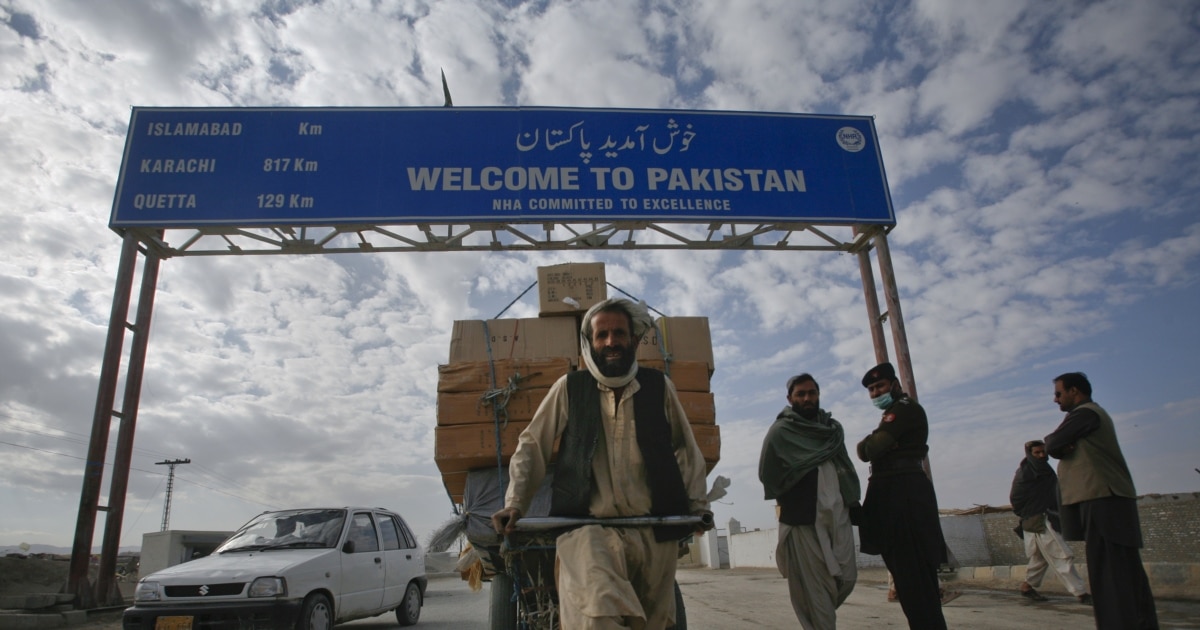
Excerpt:
"FE/RL: Explain what you mean when you say that Afghanistan and Pakistan’s geography binds them together?
Kaplan: Afghanistan and Pakistan share the same fate. That’s because there’s no real natural border between Afghanistan and Pakistan. Yes, Afghanistan more or less sits on high desert tableland, Pakistan is home to the steamy lowland Indus River valley. But the descent from the high tableland to the Indus River is so gradual that there is no really hard and fast border.
So borders [are] artificial and because of their artificiality, it’s very hard to police them. And in addition, you have the Pashtuns, a great Indo-Islamic people who live in large numbers on both sides of the border, not just on one side of the border -- making the border more artificial still. So the goal to kind of separate Afghanistan from Pakistan and create two well-functioning states has been and will be very hard to achieve.
RFE/RL: How hard? How does the course of events in their shared past inform what you see happening in their shared future, especially after the international forces withdraw from Afghanistan?
Kaplan: If you look at the map of Afghanistan and the Indian subcontinent, what you see is that there is a real border not on the Afghan-Pakistan frontier but in the middle of Afghanistan itself.
And that border is the Hindu Kush Mountains. To the north of the Hindu Kush are the Tajiks and Uzbeks. To the south are the Pashtuns.
In the north, in northern Afghanistan, among Tajiks and Uzbeks and Turkmen, you have more or less peace. nYou have increasing trade and human contacts with Tajikistan and Uzbekistan to the north.
In other words, a kind of greater Tajikistan, greater Uzbekistan may gradually form in the future, even as the southern and eastern parts of Afghanistan intermingle increasingly with the Pashtuns on the other side of the border inside Pakistan.
So the Afghan and Pakistani states may fade in terms of their identity and we may see like overlapping regions take hold. As the United States leaves, there will have to be some sort of dialogue, or conflict, between India and Pakistan, because India requires a non-hostile Afghanistan. So this area will be in turbulence for many years to come."

Comment