
 Tweet
Tweet
1- The Afghan Nobility and the Mughals: 1526-1707
Author: Rita Joshi
Published in: 1985
Pages: 246
Download it here
2- Afghanistan and Its Inhabitants: Translated from The HAYAT-I-AFGHANI
Author: Muhammad Hayat Khan, translated by Henry Priestley
Published in: 1999
Pages: 324
Download Part-1, Part-2
3- The Rise of the Indo-Afghan Empire: C. 1710-1780
Author: Jos J. L. Gommans
Published in: 1995
Pages: 219
Download it here
The Rise of the Indo-Afghan Empire, c. 1710-1780 deals with the magnificent world of Afghan nomads, horse-dealers and mercenaries bridging the frontiers between the old metropolitan centres of India, Iran and Central Asia. During the eighteenth century they succeeded in establishing a vigorous new system of Indo-Afghan states.
In Central Asia, the Afghans created an imperial tradition on the basis of long-standing Perso-Islamic ideals. In India, along the caravan routes with Turkistan and Tibet, they carved out thriving principalities in association with military service and the breeding and trade in war-horses. By fully incorporating this Afghan ascendancy into the fabric of Islamic and world history the author challenges the widely held notion of a gloomy Afghan past.
4- The Ruhela Chieftaincies: The Rise and Fall of Ruhela Power in India in the Eighteenth Century
Author: Iqbal Hussain
Published in: 1994
Pages: 253
Download it here
The collapse of Mughal authority in North India in the first half of the eighteenth century led to three serious contenders for control of the region and its resources: the Ruhelas, immigrants from Afghanistan, now settled and powerful landowners in Uttar Pradesh; the Marathas, and the British. Through his scrutiny of the primary sources, Persian, Marathi, and English, the author provides a detailed account of the political and military fluctuations in this region. Three maps supplement the text.
5- A History of Pashtun Migration
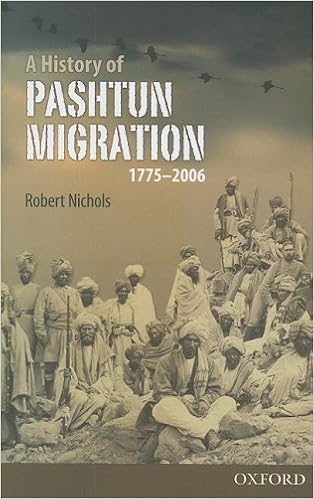
Author: Robert Nichols
Published in: 2008
Pages: 266
Download it here
For centuries Pashtuns from the Peshawar Valley and today's Pakistan-Afghan borderlands have circulated throughout the sub-continent and the Indian Ocean region. This interregional history of migration and mobility in the modern period from 1775 to 2006 follows Pashtun individuals and communities as they left homelands and responded to colonial and post-colonial opportunities and challenges in eighteenth century Rohilkhand, nineteenth century northern India and Hyderabad, Pakistan after 1947, and the Gulf region from the nineteenth century to the present. Pashtuns in permanent or temporary diaspora were transformed by the range of possible social consequences as they circulated in South Asia and the greater Indian Ocean region, variously experiencing degrees of assimilation, integration, sustained ethnic self-awareness, and, increasingly, notions of "national" identity. Pashtuns in home villages and in distant locations exhibited personal initiative and agency even as they were affected by wider European imperial policies, national and interregional political competition, and the evolving pressures of an expanding world economy. This work illuminates the history of Pashtuns and Pakistan and offers insight into how Asian regional populations have been integrated into, and often subordinated by, the dynamics of contemporary globalization.
6- Afghanistan
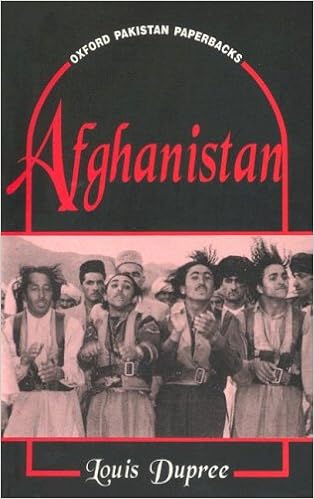
Author: Louis Dupree
Published in: 1973
Pages: 784
Download Part-1 Part-2
The ancient land and the modern nation of Afghanistan are the subject of Louis Dupree's book. Both in the text and in over a hundred illustrations, he identifies the major patterns of Afghan history, society, and culture as they have developed from the Stone Age to the present.
7- The Pashtun Question: The Unresolved Key to the Future of Pakistan and Afghanistan
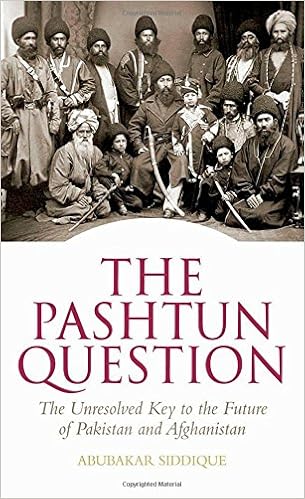
Author: Abubakar Siddique
Published in: 2014
Pages: 271
Download it here
Most contemporary journalistic and scholarly accounts of the instability gripping Afghanistan and Pakistan have argued that violent Islamic extremism, including support for the Taliban and related groups, is either rooted in Pashtun history and culture, or finds willing hosts among their communities on both sides of the Afghanistan-Pakistan border.
Abubakar Siddique sets out to demonstrate that the failure, or even unwillingness, of both Afghanistan and Pakistan to absorb the Pashtuns into their state structures and to incorporate them into the economic and political fabric is central to these dynamics, and a critical failure of nation- and state-building in both states.
In his book he argues that religious extremism is the product of these critical failures and that responsibility for the situation lies to some degree with the elites of both countries. Partly an eye-witness account and partly meticulously researched scholarship, The Pashtun Question describes a people whose destiny will shape the future of Pakistan and Afghanistan.
8-The Afghan Occupation of Safavid Persia 1721-1729
Author: Willem M. Floor
Published in: 1998
Pages: 389
Download it here
The study of the history of Safavid Iran has been rather neglected, although this situation is rapidly changing. This book deals with an important and very traumatic experience in the history of Iran, the fall of the Safavid dynasty, brought about by rebellious Afghans from Kandahar. The Safavids had governed Iran for 220 years by the fall of Isfahan in 1722, and such was their charisma that their legitimacy outlasted their reign. Subsequent rulers both established an administration modeled after that of the Safavids as well tried to bolster the legitimacy of their own regime by linking their dynasty to that of the Safavids. This book is entirely based upon the unpublished materials in the archives of the Dutch East Indies Company (VOC), and, in addition to the unabridged translation of the Diary of the Siege of Isfahan, it is a summary of all available information in those archives on the political and military situation in Iran between 1715 and 1730. Because of the nature of the materials offered here (mostly eye-witness accounts) as well as the geographical spread of the points of observation (Isfahan, Kerman, Bandar 'Abbas, Shiraz) much of the information offered here is of a unique nature. There are no other contemporary sources available, either published or unpublished, Persian or foreign, that have the same level of detail and the spread of geographical vantage points over the same period. An earlier version of this book was published in 1987 in Persian under the title Bar Oftadan-e Safaviyan va Bar Amadan-e Mahmud Afghan, though lacking most of the explanatory notes that embellish this publication in English.
Author: Rita Joshi
Published in: 1985
Pages: 246
Download it here
2- Afghanistan and Its Inhabitants: Translated from The HAYAT-I-AFGHANI
Author: Muhammad Hayat Khan, translated by Henry Priestley
Published in: 1999
Pages: 324
Download Part-1, Part-2
3- The Rise of the Indo-Afghan Empire: C. 1710-1780
Author: Jos J. L. Gommans
Published in: 1995
Pages: 219
Download it here
The Rise of the Indo-Afghan Empire, c. 1710-1780 deals with the magnificent world of Afghan nomads, horse-dealers and mercenaries bridging the frontiers between the old metropolitan centres of India, Iran and Central Asia. During the eighteenth century they succeeded in establishing a vigorous new system of Indo-Afghan states.
In Central Asia, the Afghans created an imperial tradition on the basis of long-standing Perso-Islamic ideals. In India, along the caravan routes with Turkistan and Tibet, they carved out thriving principalities in association with military service and the breeding and trade in war-horses. By fully incorporating this Afghan ascendancy into the fabric of Islamic and world history the author challenges the widely held notion of a gloomy Afghan past.
4- The Ruhela Chieftaincies: The Rise and Fall of Ruhela Power in India in the Eighteenth Century
Author: Iqbal Hussain
Published in: 1994
Pages: 253
Download it here
The collapse of Mughal authority in North India in the first half of the eighteenth century led to three serious contenders for control of the region and its resources: the Ruhelas, immigrants from Afghanistan, now settled and powerful landowners in Uttar Pradesh; the Marathas, and the British. Through his scrutiny of the primary sources, Persian, Marathi, and English, the author provides a detailed account of the political and military fluctuations in this region. Three maps supplement the text.
5- A History of Pashtun Migration
Author: Robert Nichols
Published in: 2008
Pages: 266
Download it here
For centuries Pashtuns from the Peshawar Valley and today's Pakistan-Afghan borderlands have circulated throughout the sub-continent and the Indian Ocean region. This interregional history of migration and mobility in the modern period from 1775 to 2006 follows Pashtun individuals and communities as they left homelands and responded to colonial and post-colonial opportunities and challenges in eighteenth century Rohilkhand, nineteenth century northern India and Hyderabad, Pakistan after 1947, and the Gulf region from the nineteenth century to the present. Pashtuns in permanent or temporary diaspora were transformed by the range of possible social consequences as they circulated in South Asia and the greater Indian Ocean region, variously experiencing degrees of assimilation, integration, sustained ethnic self-awareness, and, increasingly, notions of "national" identity. Pashtuns in home villages and in distant locations exhibited personal initiative and agency even as they were affected by wider European imperial policies, national and interregional political competition, and the evolving pressures of an expanding world economy. This work illuminates the history of Pashtuns and Pakistan and offers insight into how Asian regional populations have been integrated into, and often subordinated by, the dynamics of contemporary globalization.
6- Afghanistan
Author: Louis Dupree
Published in: 1973
Pages: 784
Download Part-1 Part-2
The ancient land and the modern nation of Afghanistan are the subject of Louis Dupree's book. Both in the text and in over a hundred illustrations, he identifies the major patterns of Afghan history, society, and culture as they have developed from the Stone Age to the present.
7- The Pashtun Question: The Unresolved Key to the Future of Pakistan and Afghanistan
Author: Abubakar Siddique
Published in: 2014
Pages: 271
Download it here
Most contemporary journalistic and scholarly accounts of the instability gripping Afghanistan and Pakistan have argued that violent Islamic extremism, including support for the Taliban and related groups, is either rooted in Pashtun history and culture, or finds willing hosts among their communities on both sides of the Afghanistan-Pakistan border.
Abubakar Siddique sets out to demonstrate that the failure, or even unwillingness, of both Afghanistan and Pakistan to absorb the Pashtuns into their state structures and to incorporate them into the economic and political fabric is central to these dynamics, and a critical failure of nation- and state-building in both states.
In his book he argues that religious extremism is the product of these critical failures and that responsibility for the situation lies to some degree with the elites of both countries. Partly an eye-witness account and partly meticulously researched scholarship, The Pashtun Question describes a people whose destiny will shape the future of Pakistan and Afghanistan.
8-The Afghan Occupation of Safavid Persia 1721-1729
Author: Willem M. Floor
Published in: 1998
Pages: 389
Download it here
The study of the history of Safavid Iran has been rather neglected, although this situation is rapidly changing. This book deals with an important and very traumatic experience in the history of Iran, the fall of the Safavid dynasty, brought about by rebellious Afghans from Kandahar. The Safavids had governed Iran for 220 years by the fall of Isfahan in 1722, and such was their charisma that their legitimacy outlasted their reign. Subsequent rulers both established an administration modeled after that of the Safavids as well tried to bolster the legitimacy of their own regime by linking their dynasty to that of the Safavids. This book is entirely based upon the unpublished materials in the archives of the Dutch East Indies Company (VOC), and, in addition to the unabridged translation of the Diary of the Siege of Isfahan, it is a summary of all available information in those archives on the political and military situation in Iran between 1715 and 1730. Because of the nature of the materials offered here (mostly eye-witness accounts) as well as the geographical spread of the points of observation (Isfahan, Kerman, Bandar 'Abbas, Shiraz) much of the information offered here is of a unique nature. There are no other contemporary sources available, either published or unpublished, Persian or foreign, that have the same level of detail and the spread of geographical vantage points over the same period. An earlier version of this book was published in 1987 in Persian under the title Bar Oftadan-e Safaviyan va Bar Amadan-e Mahmud Afghan, though lacking most of the explanatory notes that embellish this publication in English.

Comment